

How to control the dew point in a greenhouse?
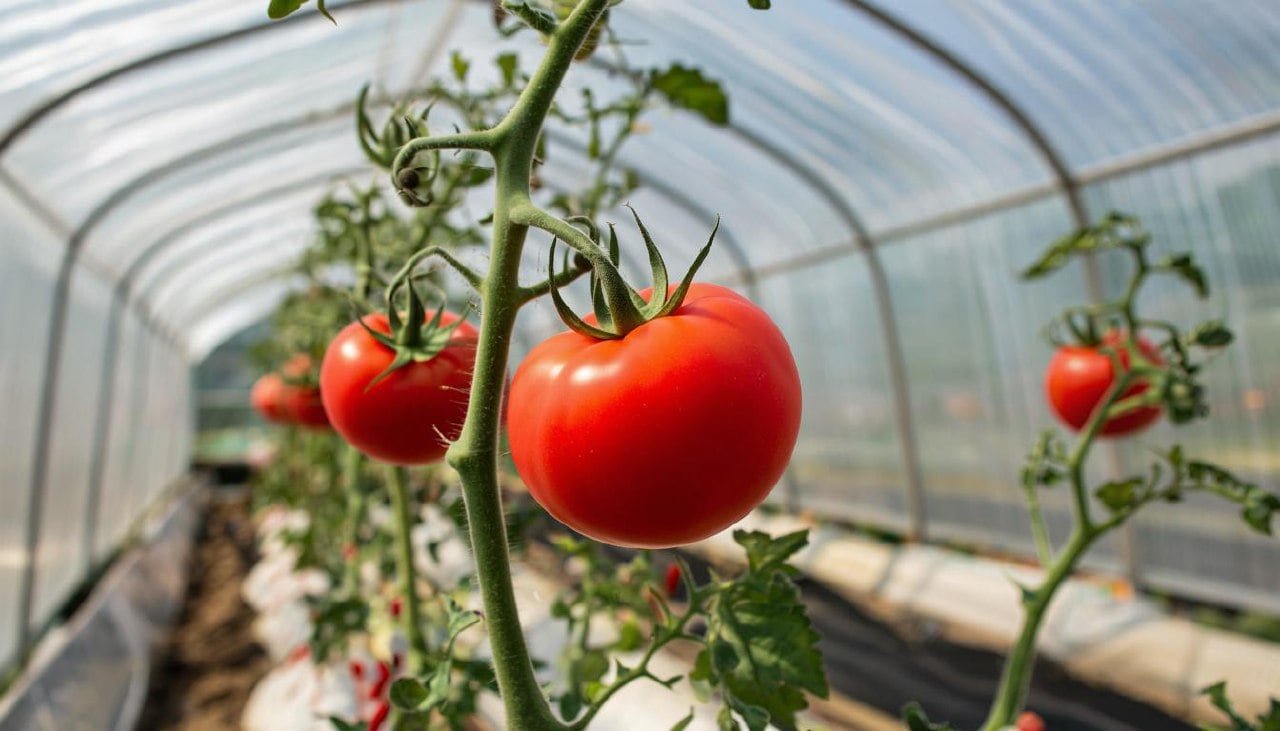
You walk into the greenhouse in the early morning. The air is fresh, but there are heavy drops hanging from the tomato leaves and streams running down the polycarbonate walls. Does this sound like a sign of good watering to you? No. It's a red flag. It's a "dew point" - a physical phenomenon that can wipe out months of your labor overnight, causing phytophthora, gray rot and powdery mildew.
Why is your neighbor's greenhouse dry but yours is a tropical downpour? How does the engineering design of the greenhouse itself affect the climate? And why do attempts to build a frame from improvised means often lose out to professional arch solutions from the manufacturer?
In this article, we'll break down the physics of the process, the technical nuances of humidity control and explain why choosing the right arch model from NovaTeplitsa is an investment in plant health, not just a frame purchase.
What is dew point and why does it kill plants?
In physics terms, dew point - is the temperature to which the air must cool before the water vapor it contains reaches saturation and begins to condense into dew.
Case in point: Imagine that during the day your greenhouse is +25°C and the humidity is 60%. At night, the temperature outside drops. As soon as the temperature inside the greenhouse drops to +16.7°C (at the same absolute humidity), the water from the air will precipitate out.
What are the dangers of uncontrolled condensation?
- Diseases: Drip moisture on leaves is an ideal environment for fungal spores (Botrytis, Phytophthora). Spores germinate in a drop of water in 2-4 hours.
- Burns: The droplets work like lenses. When the sun comes out, they focus the rays and burn through the leaves.
- Reduced illumination: Condensation on the film or polycarbonate reflects sunlight, depriving plants of up to 15-20% of energy for photosynthesis.
How to control the dew point: An in-depth technical breakdown
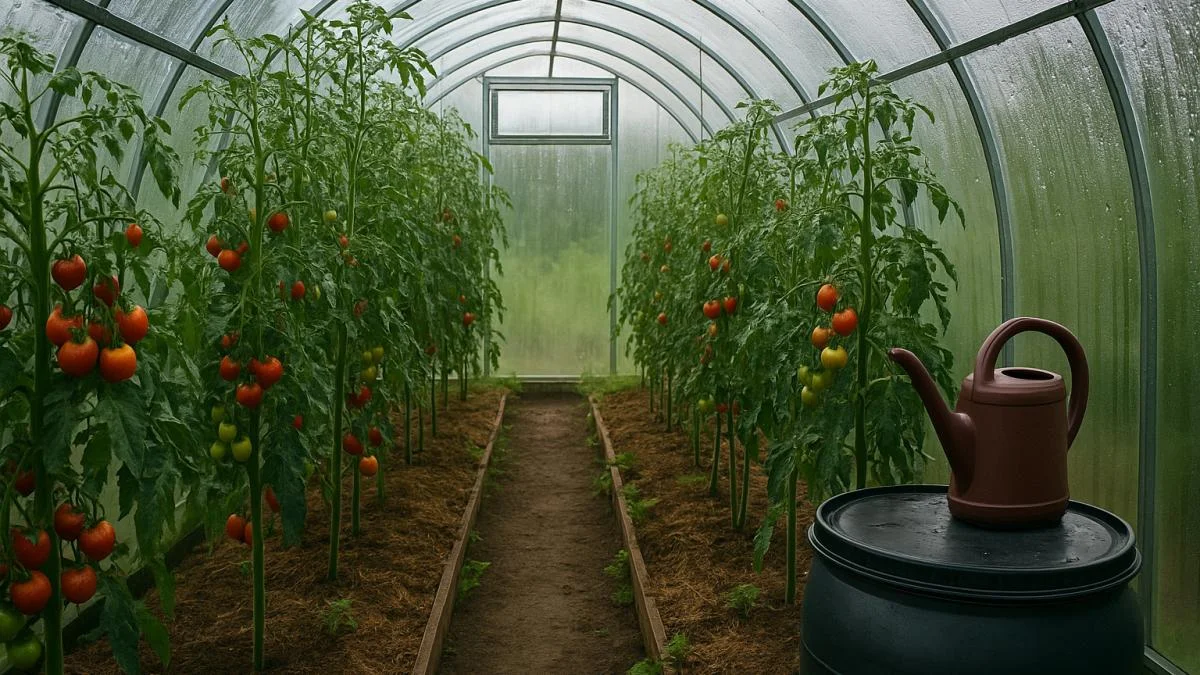
Managing dew point means keeping a balance between the air temperature and the amount of moisture in the air. This sounds complicated to a beginner, but let's break it down with fingers and numbers.
1. Ventilation: Why is an open door not enough?
Many people think, "I'll open the door in the morning and everything will dry out." That's a dangerous mistake.
- The physics of the process: Warm, moist air always rises upwards, accumulating under the very dome of the arch. When you open the door, you let cold air in from below. This creates a temperature shock for the roots, and the moist "cushion" under the ceiling remains, condensing on the polycarbonate and dripping down.
- The mathematics of ventilation:
- The gold standard of agronomy: The total area of all openings shall not be less than 20-25% of the total floor area of the greenhouse.
- Example calculation: For a standard arch greenhouse 3x6 meters (18 m²) you need to provide a minimum of 3.6-4.5 м² ventilation. Two doors are about 3.4 m². This is often insufficient, plus it creates a draft.
- Solution from NovaTeplitsa - Upper apertures in the arch: Professional arched greenhouses allow additional outlets to be installed directly into the roof vault. This creates an extraction effect.
- How does this work: The warm, moist air that accumulates under the dome naturally escapes through the upper shutters. The cold air from the street does not hit the plants. This is the only proper way to ventilate the arch structure to control dew.
2. Destratification (stirring) and proper heating
The complicated word "destratification" simply means equalization of air temperature by altitude.
- The "Layer Cake" Problem: In a normal greenhouse, the temperature at the ceiling can be +25°C and at the soil +15°C. Moisture always accumulates in cold areas (corners of the greenhouse, dense foliage) and dew falls there.
- Solution: Installing fans. You don't need a hurricane, just a light movement of air.
- Advice: If the temperature difference at different points in the greenhouse is less than 1-2°C, the risk of localized dew is reduced by 80%.
- Heating:
- Error: Use of heat guns. They warm the air, increasing its moisture content. As soon as the heat gun is switched off, the temperature drops and moisture falls on the leaves.
- The right choice: Infrared heaters. They do not warm the air, but objects (soil, leaves, frame). A warm leaf always stays dry.
3. moisture isolation: Watering and mulching
The moisture in the air is taken from the soil. Your job is to lock it there, allowing the roots to drink but not evaporate.
- Shocking fact: 1 square meter of open moist soil can evaporate up to 2-3 liters of water per day. In a 3x6 meter greenhouse, that's up to 50 liters of water hanging in the air!
- Mulching Method: Covering beds with agrofiber or mulch reduces evaporation by 5-7 times.
- Watering Regimen:
- Strictly in the morning: Water before the greenhouse warms up.
- Drip irrigation: Drip irrigation systems deliver water to the root, leaving the ground surface dry. NovaTeplica's sturdy arched frame makes it easy to attach irrigation lines to the profile.
Design Matters: Why does the "homemade" lose to the factory?
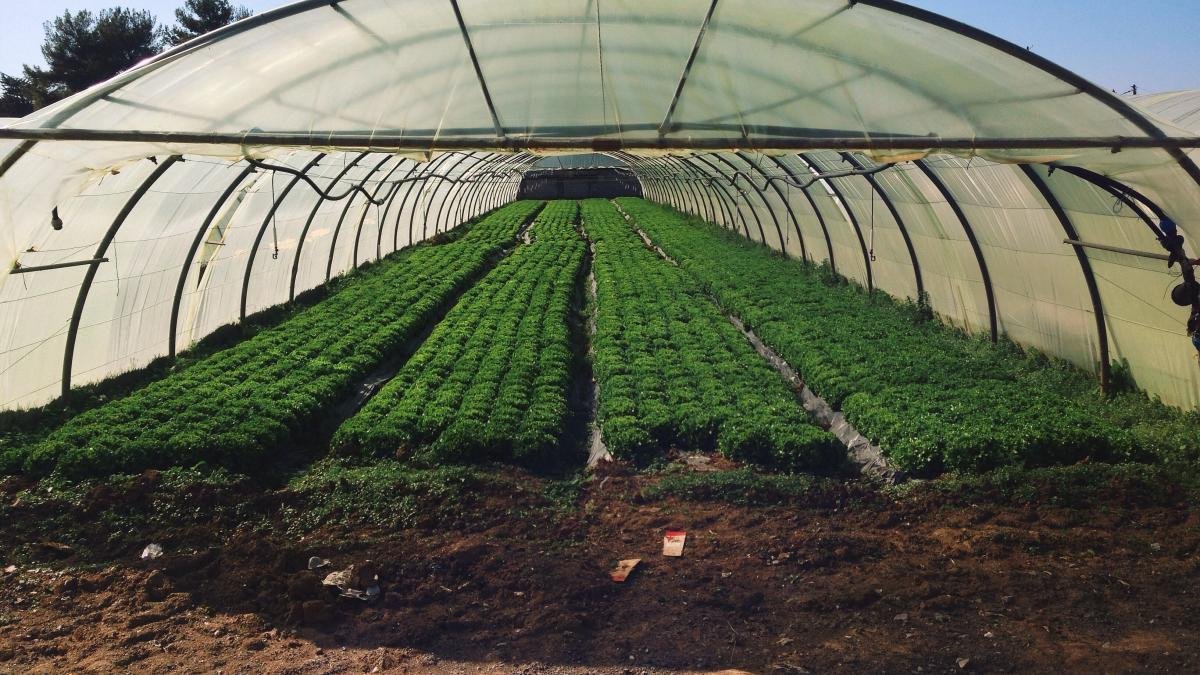
Many dacha owners think: "I will weld the arch myself, cover it with film - it will be cheaper". But the fight against the dew point is lost at the stage of designing the frame.
The problem of cold bridges
Cracks and cold bridges often occur in homemade black metal greenhouses. The metal cools down quickly and condensation drips from the beams directly onto the plants.
NovaTeplica Advantage: In the arched models featured on the novateplica.com.uaused galvanized profile (including reinforced 20x20, 20x40).
- Professional profile has less thermal conductivity at the joints with polycarbonate than massive artisanal pipes.
- The ideal arc geometry ensures that the cover is tensioned without sagging. In the sagging polycarbonate accumulates moisture, which then drips down "cold shower". In a proper factory arch, condensation rolls down the walls into the ground without hitting the plants.
Polycarbonate vs. Film
The film cools down quickly. Cellular polycarbonate is a "glass unit." It holds the temperature difference.
- In Ukraine, the optimal polycarbonate thickness is considered to be 4 mm, 6 mm, 8 mm and 10 mm with UV protection.
- The NovaTeplitsa catalog uses sheets with the correct honeycomb structure, which prevents rapid cooling of the air inside and postpones the moment of dew point onset.
Which greenhouse can handle dew? Choosing the optimal size
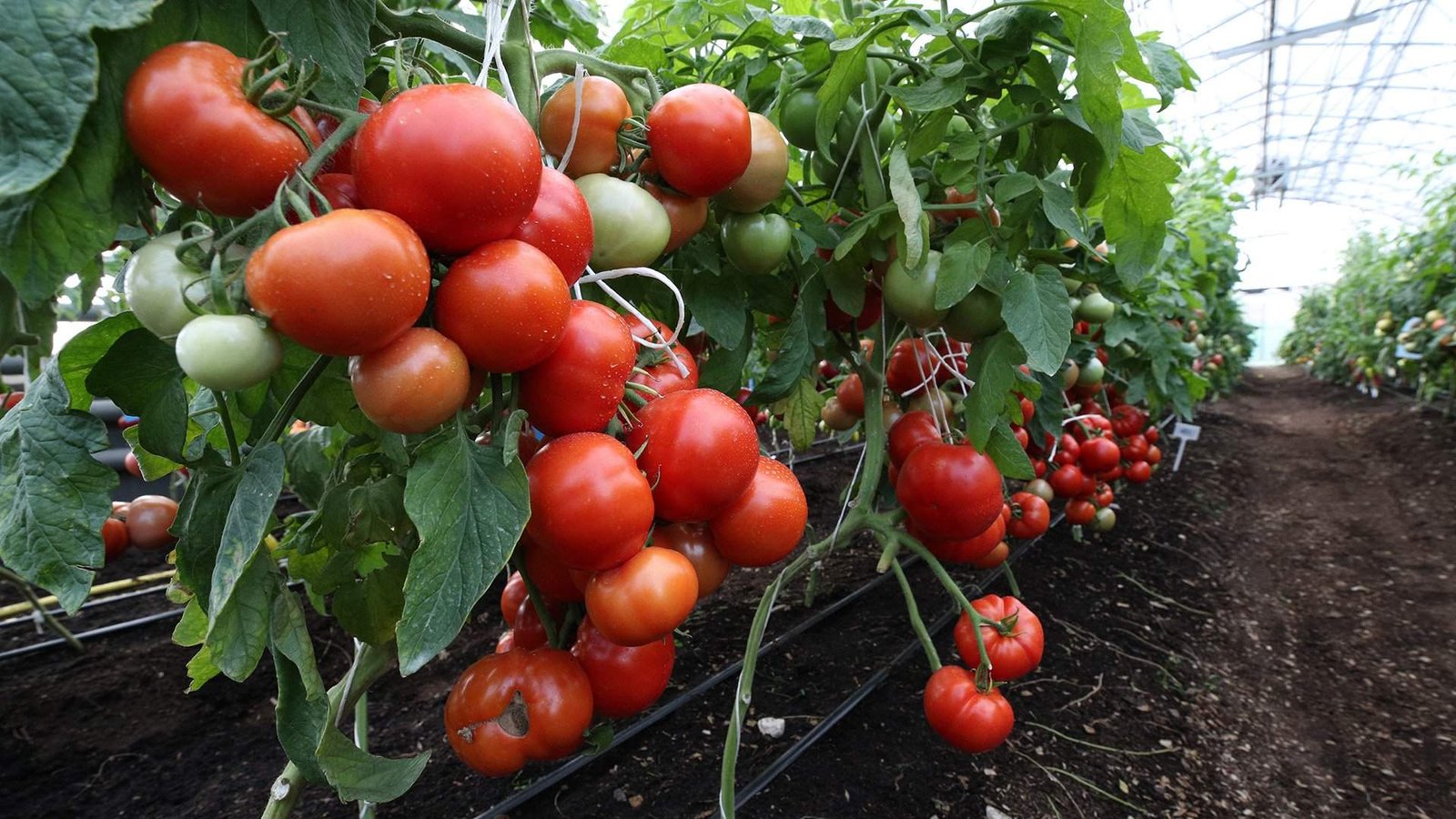
The choice of greenhouse size is a matter of climate physics. Different air volumes react differently to temperature variations.
1. For dacha growers: Arched greenhouses 3 meters wide
This is the classic standard for small plots. Optimal lengths: 4, 6 or 8 meters.
- Condensate handling: The main advantage of the correct arch shape with a width of 3 meters is the steep slope of the vault. The radius of the curve is designed so that the surface tension force "glues" the drop to the polycarbonate. It does not drip down onto the leaves, but flows in an arc to the base.
- Recommendation: For these sizes, be sure to order additional side or top vents with automatic air vents to eliminate air stagnation under the ridge.
2. For advanced gardeners: 4 meter wide arched greenhouses
If the plot allows, a width of 4 meters is a more technologically advanced choice.
- Volume Effect: A 4-meter wide greenhouse has a much larger air volume than a 3-meter wide greenhouse. The larger air volume is more inert - it cools down more slowly at night.
- Result: The dew point occurs 1-1.5 hours later than in a narrow greenhouse. This is often enough time to survive the coldest part of the night before dawn without heavy condensation.
- Space for climate: The 4 meter width allows for wider aisles, which improves air circulation between the rows of plants, preventing localized moisture zones.
3. For farmers: Industrial arch complexes (width from 6 meters)
Here, dew point control is solved by the scaled volume and reinforced frame.
- Thermal inertia: An arch structure 6 meters wide or more creates a huge buffer of warm air. It is very difficult to cool such a mass to a critical temperature in a short summer night.
- Constructive: Farmhouse sizes use a reinforced double arch (truss). This allows destratifiers (fans) to be suspended from the ceiling for forced air mixing, completely eliminating the risk of fungal diseases due to moisture.
Why buy from the manufacturer NovaTeplitsa and not build it yourself?
You can try to save money by buying the profile at a metal depot, but calculate the risks:
- Airtightness: The factory cut ensures that there are no gaps. No gaps - no icy air entering, which instantly causes dew when it comes into contact with the warm steam inside.
- Metal Protection: Factory hot-dip galvanizing protects the frame in a humid environment. Painted metal will rust after a year from constant contact with condensation.
- Snow load: NovaTeplica engineers calculate the pitch of the arcs (1m or 0.65m for reinforced versions) so that the polycarbonate does not sag. Deflection is a place of moisture accumulation and "cold drip" on the plants.
Technical summary (for reference when selecting)
| Parameter | Homemade greenhouse | Arched greenhouse NovaTeplica | Effect on dew point |
|---|---|---|---|
| Arch geometry | Often uneven, with flat areas | A perfect arc | Factory condensation rolls off, homemade condensation drips off |
| Ventilation | Usually just the doors | Possibility to insert upper shutters | Effective removal of moisture from under the dome |
| Sheet joints | Overlapping or self-tapping | Profile fastener, heat washers | No cold bridges |
| Frame | Ferrous metal (rusting) | Galvanized pipe | Durability in high humidity conditions |
How to control the dew point in a greenhouse? Conclusion and financial bottom line
Dew point control is physics and sound engineering. You can't override the laws of nature, but you can buy the right arch construction that will make them work for you.
The math of loss: Treating phytophthorosis caused by one night of heavy dew requires the purchase of fungicides and time. The loss of 30% crops over a couple of seasons outweighs the savings of buying a cheap frame.
A checklist before buying an arched greenhouse:
- [ ] Is the geometry of the arch correct? (Does it ensure that condensation rolls down the walls rather than droplets falling on the leaves?).
- [ ] Is additional ventilation provided? (Is it possible to order roof or side vents to remove moisture from under the dome?).
- [ ] Is the frame reliable? (Is galvanized profile and quality polycarbonate used?).
Your next step to a healthy harvest
Don't wait for fungus to destroy your plantings. Choose reliable arch solutions in the NovaTeplica catalog.
- For the standard: Choose proven arch models with a width of 3 meters.
- For a better microclimate: Consider 4-meter-wide structures - the larger air volume is better able to smooth out temperature fluctuations.
- For winter and reliability: Look out for reinforced frames with an arc pitch of 0.65 m.
NovaTeplitsa is the foundation of your agricultural success. Buy quality that has been proven over time.






 English
  Русский
  Українська