



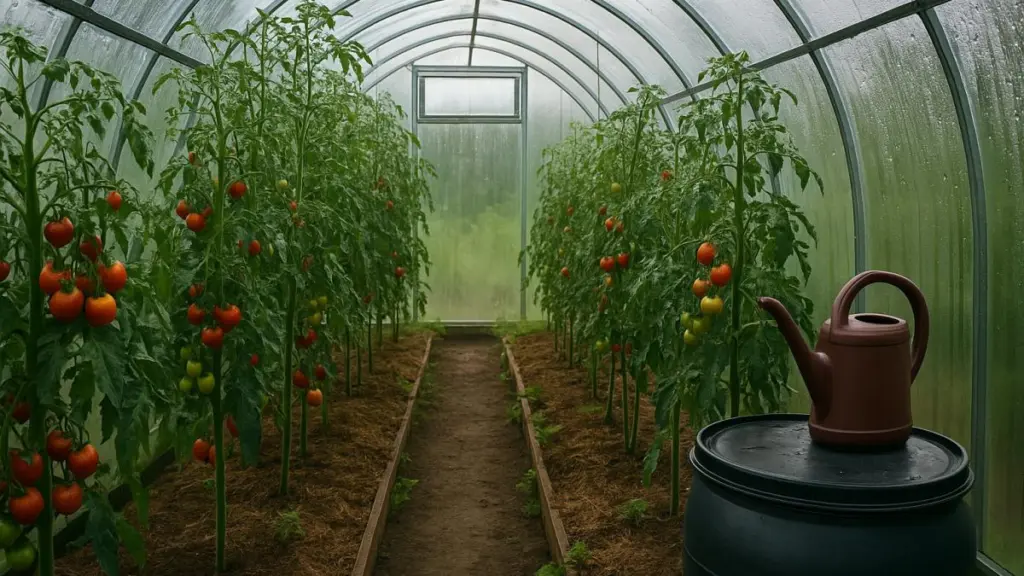
How to reduce humidity in a greenhouse without losing heat?
For a professional agronomist or avid greenhouse owner, managing the microclimate is a daily reality. One of the most insidious and costly problems during the cold season is excess humidity. The intuitive solution—opening a window or turning on an exhaust fan—becomes counterproductive. We lose precious heat we've paid for, and heating meters (gas, electricity, or solid fuel) start running at double speed.
This article is not a collection of «gardening tips.» It is a professional guide based on physics, agronomy, and engineering calculations that answers the key question: How can I break the vicious cycle of «wet—opened—cold—closed—wet again»?
We will examine the physical processes, standards (including Ukrainian State Building Standards), and, most importantly, specific technologies and calculations that allow for the removal of excess water from the air while preserving 90% or more thermal energy.
The Enemy We Can't See: The Physics and Biology of Excess Humidity
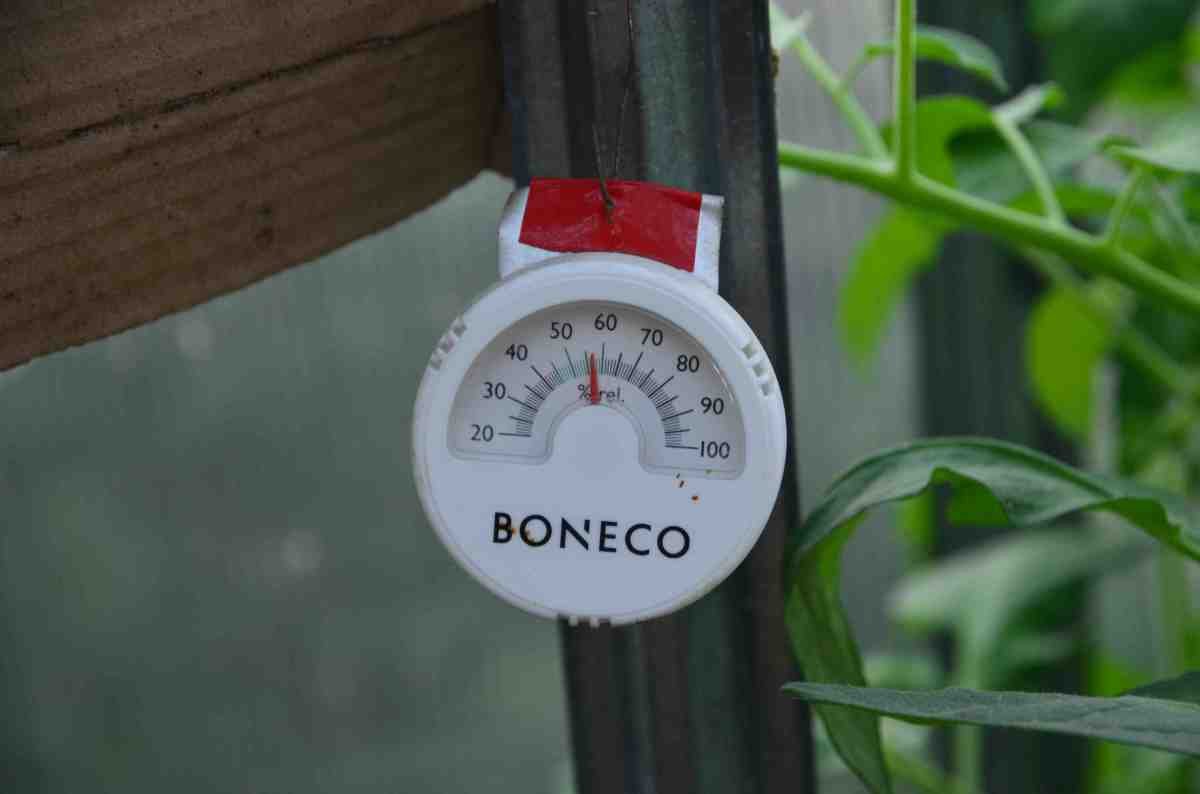
Before treating a problem, we need to understand the diagnosis. Humidity in a greenhouse isn’t just «dampness»; it’s a physical parameter with two main sources.
- Evaporation: Evaporation of water from the surface of the soil, substrate, hydroponic trays, watering mats and any spilled drops.
- Transpiration: The main «culprit.» This is the process by which plants evaporate water through the stomata on their leaves. A mature tomato or cucumber plant can «process» and evaporate 2 to 5 liters of water per day (depending on light levels and the growth stage).
Example: A 100 m² greenhouse grows 300 tomato plants. At the peak of their growing season, they can release (300 plants x 3 l/plant) = 900 liters of water into the air every day. This water necessary delete.
Key technical concepts
1. Relative humidity (RH): What your hygrometer (%) shows is the ratio of the current amount of water vapor in the air to to the maximum possible at a given temperature. The problem is that warm air can hold much more moisture than cold air.
2. Dew Point: The temperature to which the air must cool for the relative humidity to reach 100% and condensation (dew) to occur. This is our main enemy. As soon as a surface (film, glass, sheet) cools below the dew point, droplet moisture forms on it—an ideal environment for fungi.
3. Vapor Pressure Deficit (VPD): This is a key professional parameter, far more important than relative humidity. VPD is the difference between the vapor pressure in the air and the saturated vapor pressure inside a plant leaf.
- Low VPD (high humidity, >90% RH): The plant «suffocates,» and transpiration stops. This not only creates a breeding ground for fungi but also halts the transport of nutrients (especially calcium), leading to tip rot in the fruit.
- High VPD (low humidity, <40% RH): The plant experiences stress, evaporates too much moisture, closes its stomata, and stops photosynthesis.
- Optimal VPD: For most crops, it ranges from 0.5 to 1.2 kPa (kilopascals).
Consequences of uncontrolled humidity
- Direct losses (Diseases): Gray mold (Botrytis), powdery mildew, late blight. The spores of these fungi germinate only in droplet moistureNo condensation - no disease.
- Pollination problems: At high humidity, pollen sticks together and becomes non-viable.
- Decreased absorption of nutrients: Stopping transpiration = stopping the «water pump» that draws nutrients from the roots.
Norms and Tolerances: What the Standards Say (Including Ukraine)
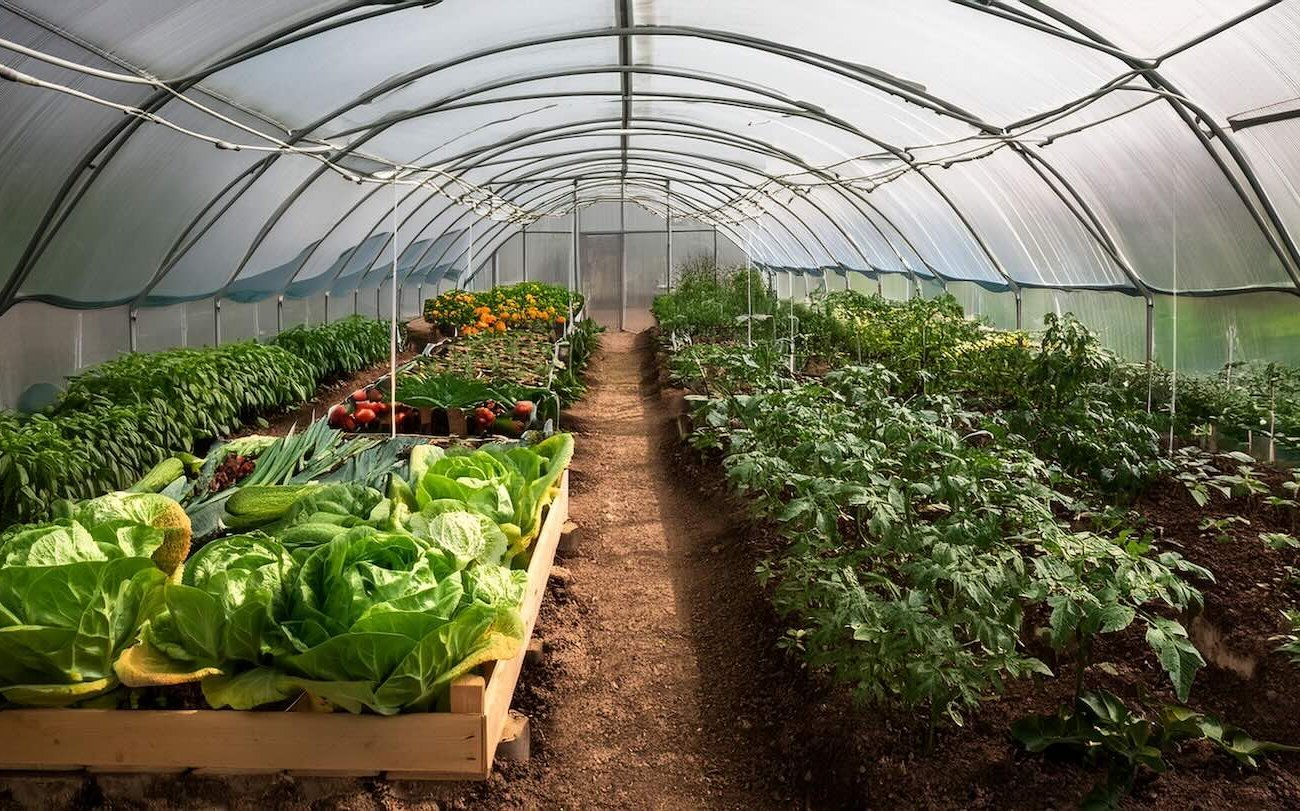
Although humidity «tolerances» for a private greenhouse are not legally binding, they serve as a benchmark to strive for in order to achieve the highest possible yield.
General agronomic standards:
| Phase/Culture | Optimum Relative Humidity (RH) | Optimal VPD (kPa) |
|---|---|---|
| Seedlings / Rooting | 75-85% | 0.4–0.8 |
| Vegetative growth (Tomatoes, Cucumbers) | 65-75% | 0.8–1.1 |
| Flowering and Fruiting | 60-70% | 0.9–1.2 |
| Night period (general) | 70-80% (but not higher than 85%) | > 0.3 (avoid saturation) |
Ukrainian standards (DBN): There are no specific «tolerances» for humidity in greenhouses in the residential DBN standards. However, when designing industrial greenhouses and HVAC (Heating, Ventilation, and Air Conditioning) systems, engineers rely on:
- DBN V.2.5-67:2013 «Heating, Ventilation, and Air Conditioning»This standard regulates the calculations of ventilation systems, including those for rooms with excess humidity. It dictates, How calculate ventilation to make it effective.
- DBN V.2.2-10:2001 «Buildings and Structures. Agricultural Facilities, Enterprises, and Structures»: Establishes general microclimate requirements (including the need for humidity control) to ensure productivity.
The ventilation system must provide the calculated air exchange necessary for the assimilation (absorption) of excess moisture, while minimizing heat loss.
Strategies for a «dry» greenhouse that retains heat
Let's move on to engineering and agronomic solutions. We'll divide them into three levels: from free (but mandatory) to high-tech.
Level 1. Agrotechnical (cultural) practices
This is the basis without which technology is powerless. The goal is to reduce source moisture.
- Smart watering:
- Drip irrigation only. No sprinkling or watering «on the leaves.».
- Watering in the first half of the day. Plants have time to utilize the moisture, and the substrate/soil surface dries out before nightfall. Nighttime watering guarantees 100% humidity.
- Drainage control: All excess water should immediately drain from the greenhouse and not stand in puddles.
- Mulching:
- Covering the soil surface with agrofibre or other breathable material. This dramatically reduces evaporation (evaporation from the soil).
- Plant formation:
- Timely gartering, pinching out side shoots, removing lower and old leaves.
- Goal: Ensure the shrubbery is «open» to allow air to circulate. Don’t let it turn into a «jungle.».
- Planting density:
- Don't be greedy. Dense plantings create stagnant zones with 100% humidity, where rot begins.
Level 2. Air Movement Control (Passive and Low-Cost Methods)
The goal is to homogenize the air in the greenhouse, preventing it from cooling to the dew point on cold surfaces.
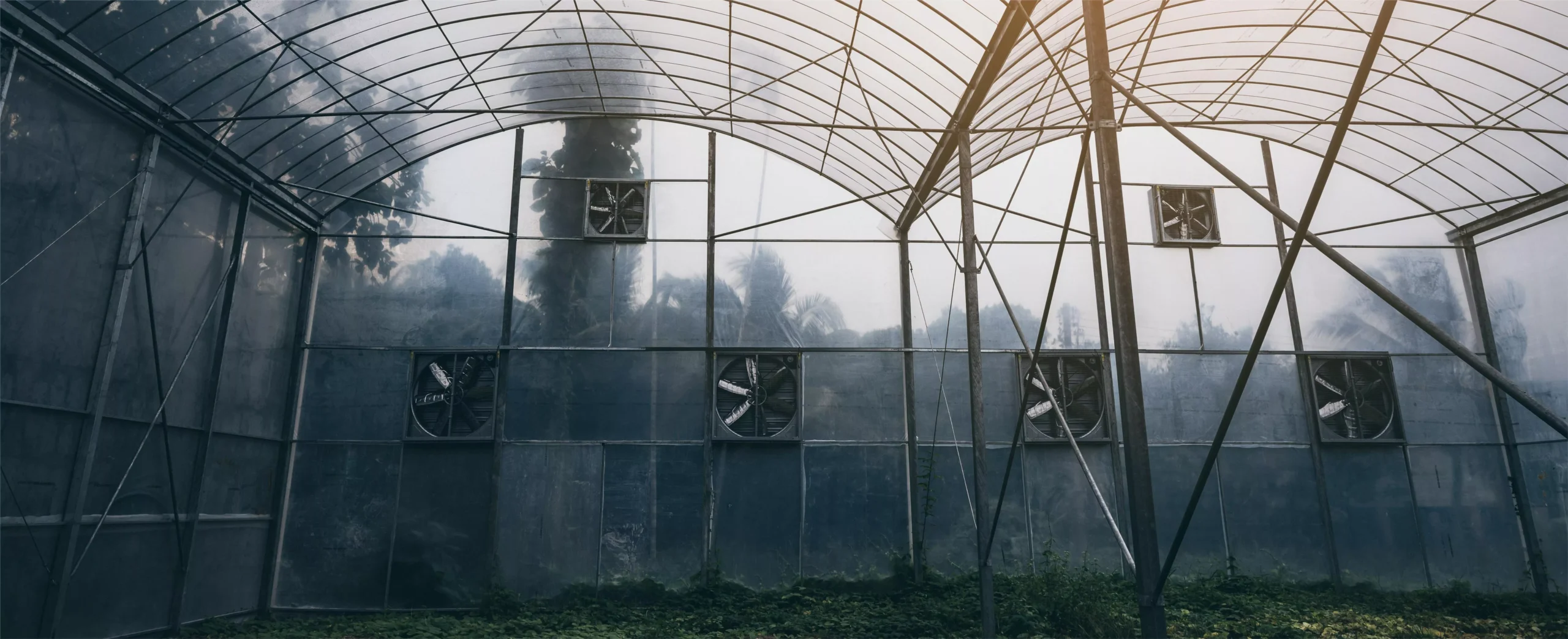
1. Horizontal circulation (HAF—Horizontal Air Flow):
This is the cornerstone of humidity management.
- What is this: A system of axial fans (marked as VKO, YWF, etc., with a diameter from 300 to 600 mm) located along the length of the greenhouse.
- How it works: They don't ventilate (they don't exchange air with the street), but mix inside it. They create a ring-shaped air flow.
- Effect:
- «Dead zones» are being eliminated.
- They blow away the moist boundary layer of air from the surface of the leaves, activating transpiration (this is good).
- They equalize the temperature, preventing warm air from accumulating under the dome and cold air from accumulating near the floor.
- Main: Constantly moving air physically doesn't have time cool on the surface of the film/polycarbonate to the dew point. It blows away the condensation.
- Calculation and dimensions:
- Flow rate: 0.5–1.0 m/s at plant height.
- Volume: The total airflow capacity of the fans (m³/h) should be equal to 1.5–2 times the volume of the greenhouse.
- Example: Greenhouse 100 m² (6x16.7 m), average height 3 m. Volume = 300 m³.
- Required performance: 300 * 2 = 600 m³/hour.
- Solution: 2-3 fans with a capacity of 200-300 m³/hour, located at intervals of 6-8 meters, blowing in the same direction (for example, clockwise).
2. «Anti-Drip» (Anti-Drip / Anti-Fog) coatings: When choosing plastic sheeting or polycarbonate, look for the «AD» (Anti-Drip) or «AF» (Anti-Fog) markings. This is a special hydrophilic coating that prevents water from forming droplets. Instead, the water spreads into a very thin film and runs down the sides without dripping onto the plants.
Level 3. Active dehumidification with heat recovery (Technologies)
This is a direct answer to your question. We remove moist air, but we also remove its heat.
1. Heat Recovery Ventilation (HRV): This is the «gold standard» for winter greenhouses.
- What is this: A supply and exhaust unit (recuperator) in which two air flows—warm and humid (from the greenhouse) and cold and dry (from the street)—pass through a special heat exchanger (plate, rotary) without mixing.
- How it works:
- The exhaust fan draws 20°C / 90% RH air from the greenhouse.
- The supply fan takes 0°C / 80% RH air from the street.
- In the heat exchanger, warm air gives up its heat (but not moisture!) to the cold air.
- Result: We throw air outside at a temperature of ~5°C (we have given up almost all the energy), and supply it to the greenhouse already warmed up up to ~16°C dry air.
- Markings: Recovery efficiency (60% to 90%), capacity (m³/hour).
- Technical calculation (Example):
- Given: Greenhouse 1000 m³. Inside: +20°C, 90% RH. Outside: 0°C, 80% RH.
- Moisture content (psychrometric chart):
- Inside: ~15.6 g/m³
- Outdoors: ~3.0 g/m³
- Task: Remove 5 kg (5000 g) of water per hour (typical transpiration for this area).
- Air exchange calculation: Each cubic meter of supply air «brings in» 3.0 g and carries out 15.6 g. Delta = 12.6 g/m³.
- Required flow: 5000 g/hour / 12.6 g/m³ = ~397 m³/hour. We need a recuperator with this capacity.
- Heat savings calculation:
- Without recuperator: We must heat 397 m³ of air from 0°C to 20°C (ΔT = 20K).
- Q (heat loss) = V (volume) * ρ (density, ~1.2 kg/m³) * C (heat capacity, ~1005 J/kg*K) * ΔT
- Q = 397 * 1.2 * 1005 * 20 = 9,571,140 J/hour ≈ 2.66 kW*h.
- With recuperator (efficiency 80%): We save 80% of this heat.
- Savings: 2.66 kWh * 0.80 = **2.13 kWch**.
- Result: The recuperator saves 2.13 kWh every hour of operation, effectively solving the humidity problem.
- Without recuperator: We must heat 397 m³ of air from 0°C to 20°C (ΔT = 20K).
2. Condensation dryers (Industrial): This is a closed loop solution that does not lose heat at all.
- How it works: It is essentially a refrigerator and a radiator in one housing.
- The fan forces moist greenhouse air through the cold evaporator.
- The air cools sharply below the dew point.
- The moisture condenses on the evaporator and flows into the drainage (you get clean distilled water that can be returned to the irrigation system).
- The dehumidified but cool air passes through the hot condenser (radiator) and heats up back, returning to the greenhouse warmer than it was (because heat from the compressor operation is added).
- Effect: 100% heat retention + small increase heat + water removal.
- Markings: Capacity (L/day), Energy Efficiency (L/kWh), Operating Temperature Range, Protection Rating (IPX4, IP65—important for humid environments).
- Dimensions (Sizing):
- The calculation is based on the required water removal.
- Example: A 100 m² greenhouse (300 tomato plants). Transpiration = 900 L/day. Even if 50% is lost through passive infiltration, we still need to remove ~450 L/day. This requires a powerful industrial unit or several dehumidifiers.
- For small greenhouses (20-50 m²) a dehumidifier with a capacity of 50-100 l/day is sufficient.
3. Adsorption dryers: They use a rotor with a hygroscopic material (silica gel). They are effective at very low temperatures (below +5°C), where condensation filters lose their effectiveness. They are more expensive and energy-intensive, but are indispensable in specific conditions (for example, unheated nurseries).
Comparative analysis and common mistakes
| Method | Heat retention | Initial costs | Operating costs | When to use |
|---|---|---|---|---|
| Agricultural technology | 100% | 0 | 0 (labor) | Always |
| HAF (Circulation) | 100% (redistribution) | Low | Low (electricity for fans) | Always. This is the base. |
| Recuperator (HRV) | 60-90% | Medium/High | Average (electricity for fans) | Winter greenhouses with a constant supply of fresh air (CO2) |
| Dryer (Condenser) | >100% (with heat influx) | Tall | High (electricity per compressor) | Sealed greenhouses where CO2 is supplied artificially and there is no need for an influx. |
Top 5 Mistakes That Ruin All Your Efforts
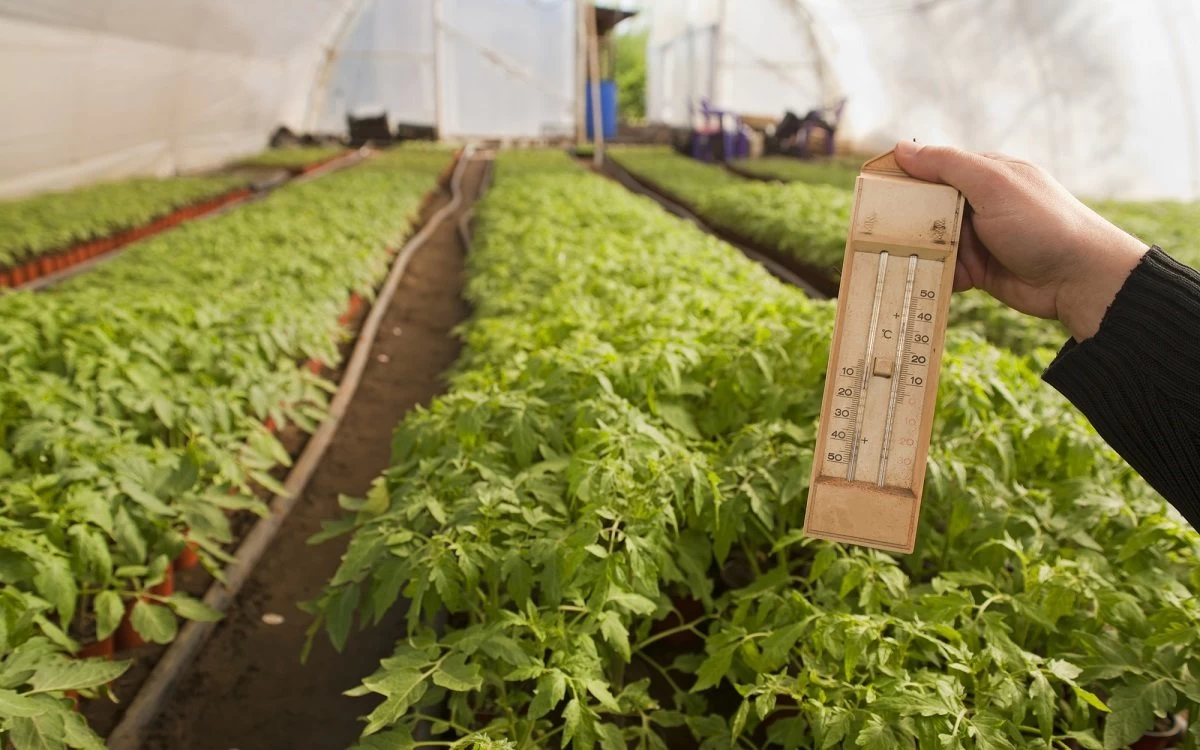
This section is a distillation of bad experiences. We've compiled the main mistakes that turn expensive technologies into useless junk and lead to crop losses.
Mistake 1: «Dead Zone Syndrome» (Ignoring HAF)
- What's the gist: You buy a powerful dehumidifier or recuperator, install it in a corner and think the problem is solved.
- Why it doesn't work: Without forced circulation (HAF fans), the dehumidifier will effectively dehumidify only the air immediately surrounding it. Five meters away, behind dense rows of tomato plants, the air will remain stagnant. There, near the surface of the leaves, a «cocoon» of 100% humidity quickly forms, and fungi begin to thrive.
- Analogy: It's like trying to heat a 5-room apartment with one oil radiator in the hallway without opening the doors to the rooms.
What is the correct way: HAF fans (Level 2) are the «circulatory system» of your greenhouse. They deliver humid air from all corners to the dehumidifier and distribute dry air from it throughout the entire space. HAF isn’t an option—it’s the foundation.
Mistake 2: «A Bucket Against a Waterfall» (A Fatal Miscalculation in Dimensions)
- What's the gist: Buying a dehumidifier «on a whim» or, even worse, using a household appliance in an industrial setting.
- Why it doesn't work: Agronomy is mathematics. In Chapter 1, we calculated that 300 tomato plants generate 900 liters of water per day. If you install a household dehumidifier labeled «20 L/day» in this greenhouse, you’ll only remove 2.2% (20 / 900) of the total problem. That’s a statistical error.
What is the correct way: The calculation always starts with the «inflow» of moisture (the total transpiration of your plants), not the «outflow» (the capacity of the unit you’ve chosen). Your dehumidifier or air recovery unit must have a capacity comparable to the peak evaporation rate. See the calculations in Chapter 3. A calculation error is money down the drain.
Mistake 3: «Nighttime Shower» (A Disastrous Watering Schedule)
- What's the gist: Watering plants late in the evening or at night. The logic behind «it’s hot during the day, so let them drink at night» seems sound, but it’s disastrous.
- Why it doesn't work: At night the inevitable happens:
- The temperature is dropping.
- The dew point is reached. The cold night air can no longer hold moisture (see Chapter 1).
- Transpiration stops. The plants are «dormant» and hardly lose any water through evaporation.
- By watering, you’re adding evaporation (from wet soil) at a time when the air can no longer absorb it. The result: 100% relative humidity, «fog» at soil level, and instant condensation on the leaves. You’ve created the perfect incubator for gray mold and late blight.
What is the correct way: The golden rule: the entire greenhouse (plants, substrate, paths) should be DRY overnight. Water only in the morning to allow the soil surface to dry out by evening.
Mistake 4: «Control by Feel» (Operating Without Sensors)
- What's the gist: Turn on the range hood «when it gets stuffy,» or set the heat recovery ventilator to run «for 2 hours in the morning and in the evening» using a timer.
- Why it doesn't work: Your «sensations» are deceiving you. The air in the center of the greenhouse at head level may feel dry (60% RH), but at the same time, near the cold north end at floor level—where there’s no air movement—the humidity is already 100% and condensation is forming. The weather changes (sun-cloud-sun), transpiration fluctuates up and down, and your timer can’t keep up. You’ll either waste heat (by ventilating when you don’t need to) or let humidity spike.
What is the correct way: The system must be controlled by a «brain.» The most basic «brain» is a hygrostat that closes the dehumidifier/fan circuit when the relative humidity (RH) exceeds a set threshold (for example, 75%). The ideal «brain» is a VPD controller, which balances temperature and humidity 24/7 for optimal growth.
Mistake 5: «Treating Humidity with Heat» (Confusing a Thermostat with a Hygrostat)
- What's the gist: The temperature in your greenhouse is +16°C and the relative humidity is 90% (it's cold and very damp). You think, «I'll turn on the heat now; that will dry out the air.».
- How it works (wrong): You turn on the heater. The temperature rises to +20°C. The relative humidity (RH) actually drops (for example, to 70%). You think the problem is solved.
- Why it doesn't work: You didn’t remove water from the air. You simply «expanded» the air (warm air takes up more space), and the relative humidity dropped. But the absolute amount of water in grams per cubic meter remained the same. As soon as your thermostat turns off the heat and the greenhouse cools back down to +16°C, the humidity will instantly return to 90% and 100% (condensation).
What is the correct way: This is the most expensive mistake. You're burning a huge amount of energy masking the symptom without treating the disease. The correct solution: the hygrostat should have activated a dehumidifier or heat recovery unit to physically remove excess water from the air. Heating should only be used to maintain temperature, not to combat humidity.
Mistake 6: «Heated Sieve» (Ignoring Leak Tightness)
- What's the gist: Install an expensive recuperator in a greenhouse with cracks in the doors, holes in the film and leaky vents.
- Why it doesn't work: All engineering calculations (HRV, dehumidifiers) are based on a controlled volume. If you have drafts coming in from all sides, you end up with an uncontrolled inflow of cold outdoor air. This cold air collides with your warm, humid indoor air, creating localized areas of fog and condensation that neither the HAF nor the dehumidifier can «capture.» You’re heating the outside air and creating «dew points» throughout the greenhouse.
What is the correct way: Before installing expensive equipment (Level 3), achieve maximum air tightness (Level 0). All gaps must be sealed. Ventilation should be forced and controlled only.
Mistake 7: «Forget About CO2» (Closed-Loop System Without Supplementation)
- What's the gist: Choose the most effective method—a condensation dehumidifier (which doesn't draw air from outside, see table). The greenhouse is sealed, moisture is removed, and heat is retained. Is this ideal? No.
- Why it doesn't work: After 2–3 hours of active photosynthesis on a clear day, the plants will «consume» all the CO2 in a sealed greenhouse. Its level will drop from 400 ppm (outdoor) to 100–150 ppm. Photosynthesis (and growth) will come to a complete halt. You’ll end up with a perfect microclimate in which nothing grows.
What is the correct way: If you choose a dehumidifier (closed-loop), you must consider a CO2 supply system (cylinders, generators). If you're not ready for this, a heat recovery ventilator (HRV) is your choice. It's less efficient in terms of heat output (80% vs. 100%), but it guarantees a constant supply of fresh, CO2-rich outdoor air.
Mistake 8: «Cold Bridge» (Ignoring Surface Temperature)
- What's the gist: Focus only on the air temperature and forget about the temperature of the coating (film, polycarbonate, glass).
- Why it doesn't work: Condensation does not form in the air, but on surfaces whose temperature has fallen below the dew point. In a greenhouse with a single layer of plastic sheeting, even if the air temperature is +20°C, the sheeting itself will reach a temperature of +5°C at night (close to the outside temperature). This is guaranteed to result in a «shower» of condensation.
- Fight condensation before it forms.
- Double film (pressurization): The air gap between the two layers of film is the best insulator. The inner film will be warm, above the dew point.
- Heat screens (curtains): At night, a special aluminum-coated fabric is pulled over the dome, which reflects heat back down and prevents it from «escaping» to the cold dome.
- «Anti-Drip» coatings: At a minimum, use a film that does not drip, but diverts water along the walls.
How to Reduce Greenhouse Humidity Without Losing Heat? An Integrated Approach
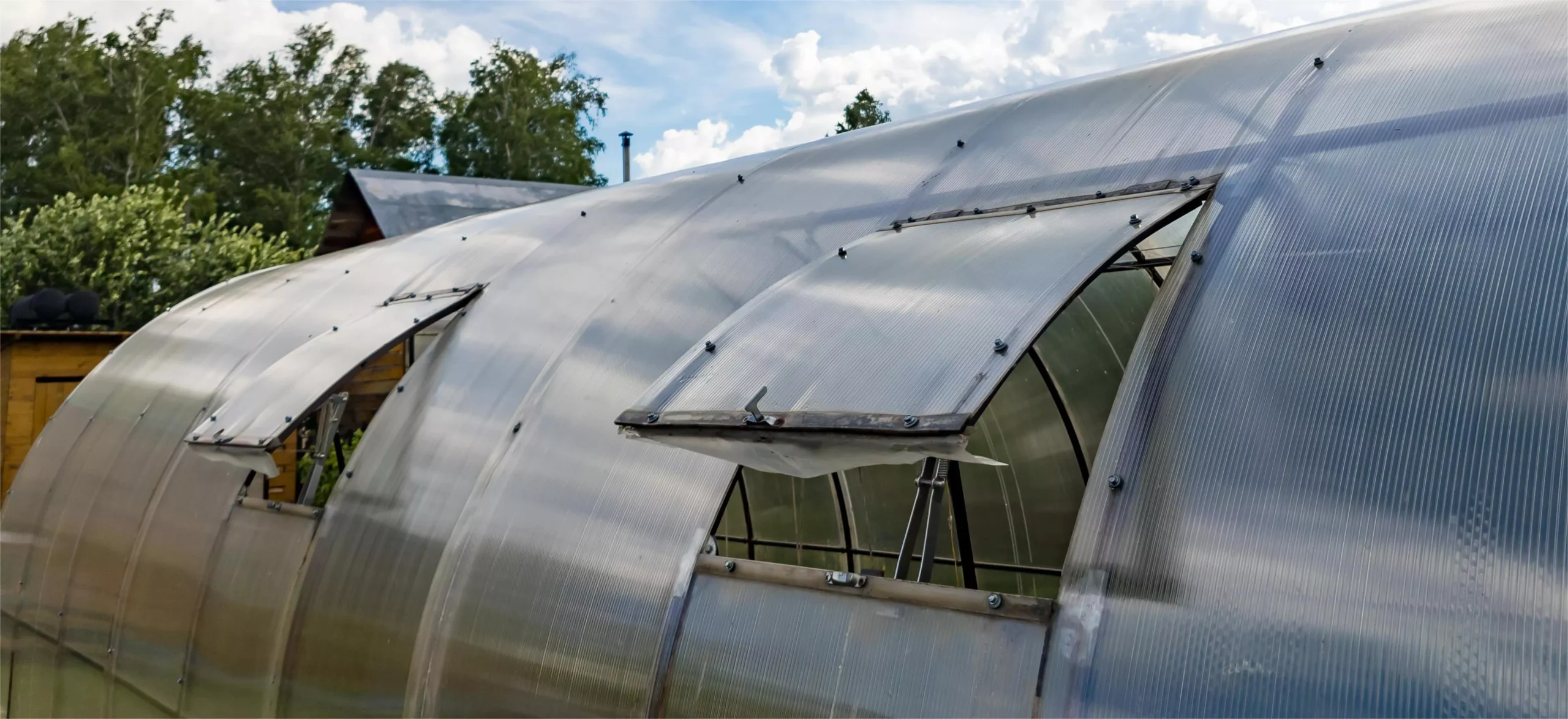
We’ve covered the entire spectrum, from the physics of the dew point to complex engineering calculations. The main conclusion every agronomist must draw is this: there is no «magic device» that will solve the problem of humidity. Defeating condensation isn’t about buying a dehumidifier—it’s about building a smart system.
This system rests on three pillars, which we've discussed in detail:
- Agronomic foundation: Minimizing evaporation through proper watering, mulching and plant formation.
- Technical Infrastructure (HAF): Continuous air circulation to ensure a uniform indoor climate and eliminate «dead zones.».
- Technological add-on: Active moisture removal with heat retention (recuperators or dehumidifiers).
If you overlook even one of these elements, you’re setting yourself up for a never-ending struggle that results in direct losses: kilowatts wasted on heating the «street,» crops lost to disease, and money wasted on equipment that cannot operate efficiently.
And here we come to the main, most critical factor that stands above all three – the quality of the greenhouse itself.
You can buy the best heat recovery unit and the smartest VPD sensors, but if they’re installed in a «sieve» with gaps (Mistake 6) or in a greenhouse with «thermal bridges» (Mistake 8), your investment will be wasted. Effective climate control starts with an airtight, properly designed, and energy-efficient system.
That is precisely why choosing a greenhouse manufacturer is not just about buying a «frame and plastic sheeting.» It is about choosing a partner who understands these processes from an engineering perspective.
Your next step to a loss-free greenhouse
As the leading greenhouse manufacturers in Ukraine, we don't just sell greenhouse structures. We design complete agro-industrial complexes, in which every component—from the foundation to the ventilation system—is designed for maximum efficiency and rapid return on investment.
We know how to build a greenhouse in which the heat recovery unit will save you 90% of heat, rather than 30%. We know how to ensure an airtight seal so that the dehumidifier operates normally rather than «running idle.».
Don't risk your harvest and your money by trying to «fix» a faulty structure. Start with the right foundation.
Contact our engineers today. Get a professional estimate and consultation on building a greenhouse that's designed to generate income, not just to control humidity. Order your energy-efficient greenhouse from the Ukrainian market leader and turn climate control into your competitive advantage.