

How often should a greenhouse be sanitized? Frequency, methods, and standards
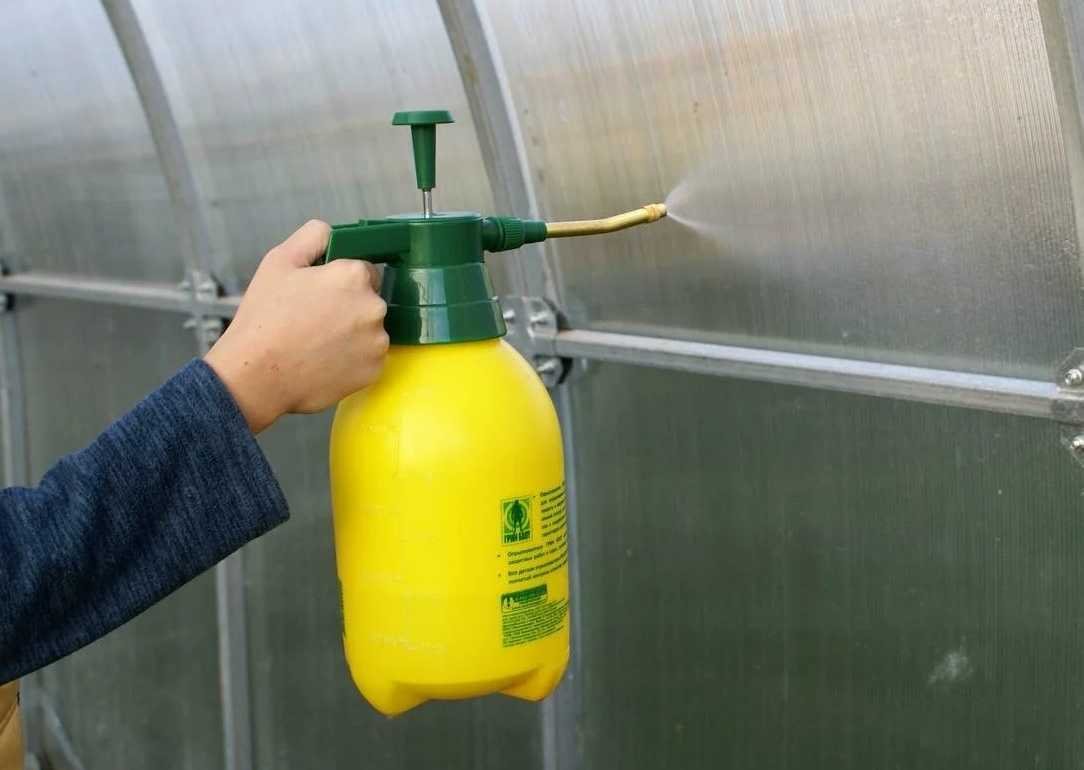
Sanitary treatment of the greenhouse - this is not just “cleaning”, but a fundamental basis for biosecurity and profitability greenhouse businessIgnoring or improperly implementing sanitary measures inevitably leads to the accumulation of infectious diseases. The result is outbreaks of diseases, pest epidemics, reduced yields, and, ultimately, colossal financial losses.
Many pathogens (viruses, fungal spores, bacteria) and pests (pupae, eggs) can survive in greenhouse structures, soil, substrate, and in biofilms inside irrigation systems for months or even years.
This article is a complete expert guide answering the key question: “How often and how exactly should sanitization be carried out?We will examine in detail the cyclical nature of the processes, step-by-step protocols, chemicals, and Ukrainian regulatory requirements.
Cyclicity: How often should treatment be carried out?
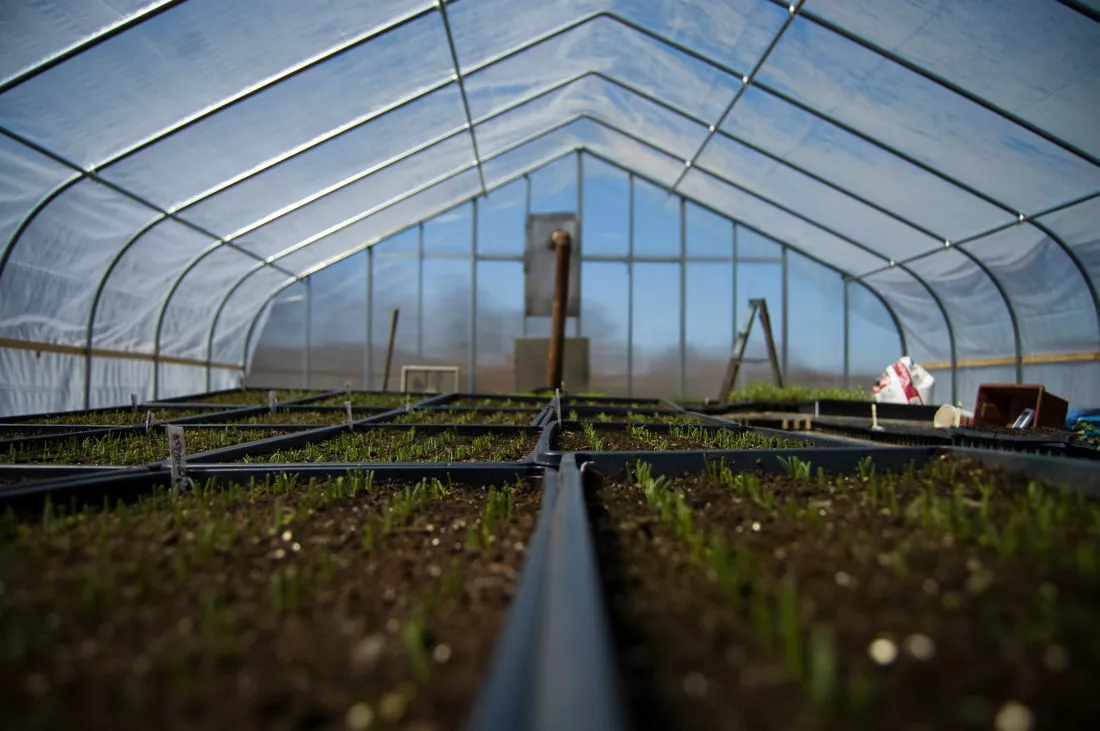
Sanitation is not a one-time event, but a continuous cycle consisting of three key stages.
Major (Basic) disinfection
- When: 1-2 times per year. Be sure to do this between crop rotations (after the complete removal of old plants and before planting new ones).
- Target: Complete eradication (destruction) of accumulated pathogens, pests, and their dormant forms. This is a "general reboot" of greenhouse biosecurity.
- Level: Maximum deep processing of all surfaces, structures, soil/substrate and systems.
Current (Operating) Sanitation
- When: Daily and weekly throughout the growing season.
- Target: Maintaining a low level of infection, preventing cross-contamination, and ensuring staff adherence to hygiene standards.
- Level: Control of hygienic “gateways”, disinfection of instruments, containers, removal of diseased plants.
Unscheduled (emergency) disinfection
- When: Immediately upon detection of a dangerous disease (for example, a virus, an aggressive fungus) or pest.
- Target: Localization and destruction of the outbreak, prevention of the spread of infection throughout the greenhouse.
- Level: Intensive local treatment of the contaminated area, equipment and instruments that have come into contact with it.
Major Disinfection Protocol (Between Turnovers)

This is the most important stage, requiring strict adherence to sequence. Skipping even one step makes the entire process ineffective.
Step 1: Disposal of plant debris
- Complete removal of all plants, including the root system.
- Removal of old substrate (if it will not be disinfected), trellis threads, agrofibre.
- Important: Plant residues must be immediately removed from the greenhouse area and disposed of (do not compost nearby!).
Step 2: Dry cleaning
- Mechanical removal of dust, dirt, cobwebs and substrate residues from all structures (trusses, beams, trays, heating pipes, supplementary lighting systems).
- Brushes, industrial vacuum cleaners, and air compressors are used.
Step 3: Wet wash (with detergents)
This is a critical step. Most disinfectants are ineffective on dirty surfaces because they cannot penetrate the "biofilm"—the slimy layer of bacteria, fungi, and organic matter.
- Target: Dissolve and wash away biofilm and organic contaminants.
- Means: Professional foam cleaning agents are used:
- Alkaline (pH 11-13): To remove organic contaminants, fats, mucus.
- Acidic (pH 1-3): To remove mineral deposits (salts, rust, limescale).
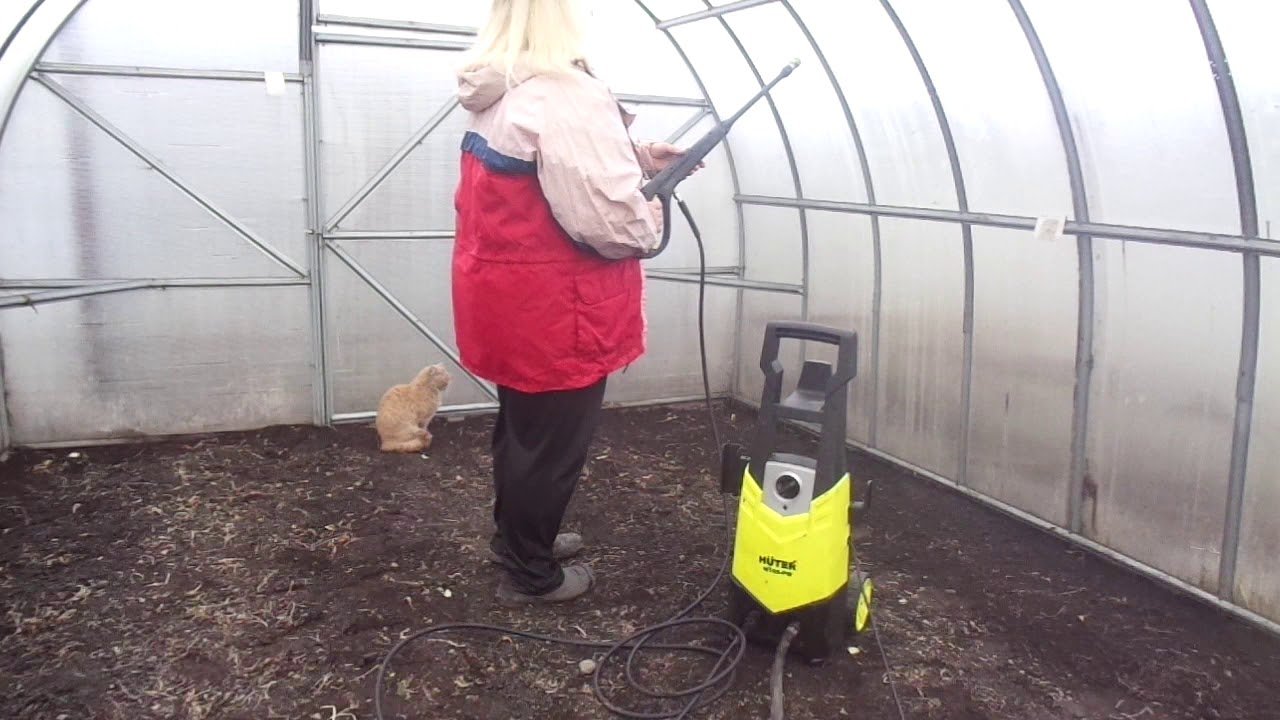
- Equipment: High-pressure cleaners (HPWs) with foam generators. The foam is applied from the bottom up, left for 15-30 minutes (exposure time), and then rinsed off with clean water under pressure from the top down.
Step 4: Disinfection itself
It is being carried out only on clean and dry surfaces.
- Methods:
- Wet disinfection (Spraying): Generous application of the working solution of disinfectant to all surfaces (structures, floors, walls, equipment).
- Aerosol disinfection (“Cold fog”): Using cold fog generators (ULV aerosols). Fine droplets (10-50 microns) fill the entire greenhouse, penetrating hard-to-reach areas. This is more effective and cost-effective.
- Gasation (Fumigation): Use of gaseous disinfectants (such as formaldehyde). Effective, but highly toxic and requiring specialized equipment and permits. Its use in Ukraine is limited.
Step 5: Disinfect the irrigation system
This is the Achilles' heel of greenhouses. Biofilm always forms inside pipes and drippers, which acts as a reservoir for Erwinia, Fusarium, Pythium and other pathogens.
- Process (Required 3-phase flush):
- Acid wash: Fill the system with an acid solution (nitric or phosphoric, pH 2.0-3.0) to remove mineral deposits (bicarbonates). Leave for 1-2 hours, then rinse with clean water.
- Alkaline flush: Filling with alkali solution (to remove organic matter). Rinsing with water.
- Disinfection: Filling the system with a disinfectant (usually based on peracetic acid (PAA) or hydrogen peroxide). Exposure time: 4-12 hours.
- Final rinse: Rinse with clean water until the pH and EC values at the outlet are equal to those of the inlet water.
Choosing a Disinfectant: Technical Data
The choice of active ingredient (AI) depends on the purpose, the object of disinfection and the spectrum of pathogens.
| Active ingredient (AI) | Spectrum (Viruses / Fungi / Bacteria / Spores) | Work on biofilm | Corrosivity | Ecological decomposition | Main application |
|---|---|---|---|---|---|
| HOUR (QACs) (Benzalkonium chloride, etc.) | ++ / +++ / +++ / + | Badly | Low | Bad (residual effect) | Disinfection mats, tools, containers, surfaces |
| Peracetic acid (PAA) + Hydrogen peroxide | +++ / +++ / +++ / ++ | Average | Tall | Excellent (water, oxygen, vinegar) | Irrigation systems, surfaces, “cold fog” |
| Sodium hypochlorite (Chlorine) | +++ / ++ / +++ / ++ | Very bad (only for clean ones) | Very high | Average (hazardous side products) | Disinfection of water, hard surfaces (caution) |
| Glutaraldehyde | +++ / +++ / +++ / +++ | Fine | Tall | Bad (toxic) | Equipment, surfaces (requires rinsing) |
| Formaldehyde (Formalin) | +++ / +++ / +++ / +++ | Excellent (gas) | Low | Very bad (carcinogenic) | Fumigation (used less and less) |
Labeling and concentrations: Always check the manufacturer's recommended concentration for a specific application (e.g. 0.5% for surfaces, 0.1% for irrigation systems).
Example: To disinfect surfaces with a preparation based on QAC, a 0.75-1.0% working solution (75-100 ml per 10 l of water) may be required.
Routine (Operating) Sanitation: Daily Practices
The best disinfection is the one that's never needed. Routine hygiene prevents 90% problems.
- Hygienic “gateways” (disinfection barriers):
- Necessarily: At the entrance to every greenhouse and every production area.
- Compound:
- Disinfection mat (or bath): Filled with a disinfectant solution (usually QAC or NUK).
- Hand washing station: Soap, water, paper towels.
- Hand sanitizer station: Alcohol antiseptic or NUK solution.
- Frequency of replacement of solution in mats: Every 1-2 days, or immediately if visually contaminated.
- Disinfection of instruments:
- Each worker must have an individual tool (knife, pruning shears).
- During work (pruning, pinching out side shoots), the tool is disinfected when moving from row to row or after every 10-20 plants.
- Solutions: Fast-acting disinfectants (NUC, alcohol) or even 10% skim milk solution (effectively inactivates viruses, such as the mosaic virus).
- Container management:
- A clear division into “dirty” (outdoor) and “clean” (indoor) containers.
- Harvest boxes and carts must be washed and disinfected after each cycle.
- Removing diseased plants:
- Diseased plants (suspected of having a virus or serious pathogen) are removed immediately.
- Removal is carried out in closed plastic bags to prevent spores or pests from spreading throughout the greenhouse.
- The place where the plant grew (substrate, dropper) is locally disinfected.
Standards and tolerances in Ukraine
- Registration of drugs:
- All disinfectants used in commercial facilities must be listed in State Register of Disinfectants Ukraine. The use of unregistered drugs is a violation.
- Occupational safety (MPC – Maximum Permissible Concentration):
- Working with disinfectants (especially during aerosol treatment or fumigation) requires strict adherence to safety precautions.
- PPE (Personal Protective Equipment):
- Respirator: Class FFP2 (for aerosols) or FFP3 (for toxic vapours).
- Glasses: Sealed safety glasses.
- Gloves: Chemical resistant (nitrile, neoprene).
- Costume: Chemical-resistant overalls.
- Exposure time and ventilation: After treatment, the greenhouse is hermetically sealed for the exposure time (specified by the manufacturer, from 4 to 24 hours). Afterward, it should be thoroughly ventilated until the odor completely disappears and the maximum permissible concentration of active substances in the air is reached.
- Environmental standards:
- Used working solutions and water after flushing systems are prohibited from being discharged into open water bodies or onto the terrain (according to the Water Code of Ukraine).
- They must be collected, neutralized (according to the manufacturer's instructions) or disposed of as industrial waste.
Calculation example (Disinfection with “cold fog”)

- Task: Aerosol disinfection of a greenhouse after washing.
- Data:
- Greenhouse type “Anthracite”, volume: 50,000 m³.
- Disinfectant: Based on HOUR (10% DV).
- Manufacturer's recommendation for "cold fog": 200 ml of concentrate per 1000 m³ of volume.
- Calculation:
Total requirement = (Greenhouse volume / 1000 m³) * Application rateTotal requirement = (50,000 m³ / 1000 m³) * 200 ml = 50 * 200 ml = 10,000 ml (10 liters)
- Conclusion: To treat a greenhouse with a volume of 50,000 m³ you will need 10 liters 10% of CHAS concentrate, which will be poured into the aerosol generator (and possibly diluted with water to the required volume, according to the generator instructions).
Expert advice and common mistakes
The effectiveness of an entire biosecurity program depends on avoiding three common but critical mistakes.
Mistake 1: Skipping on washing (Step 3) and going straight to disinfecting (Step 4)
This is undoubtedly the most common and costly mistake. By trying to save one day of work, you're effectively reducing the cost of disinfectant and labor hours to zero.
- Extended technical justification:
- Physical barrier: Dirt, dust, substrate residue, and cobwebs physically "hide" pathogens. Disinfectant (liquid) simply can't physically reach fungal spores or pest eggs beneath a layer of dirt.
- Chemical neutralization: Most disinfectants (especially oxidizing agents such as chlorine, hydrogen peroxide, and peracetic acid) are highly reactive. When they come into contact with dirt (organic matter), they instantly react with it, not with microorganisms. They are "expended" on dirt. A disinfectant molecule that has oxidized a peat particle will no longer kill the bacteria.
- Biofilm impermeability: This is the most important thing. Biofilm is not just mucus; it is a complex polysaccharide matrix built by a colony of bacteria and fungi for its own protection. This matrix is extremely resistant to disinfectants. For example, sodium hypochlorite ("chlorine") is virtually incapable of penetrating a mature biofilm.
- Example: You apply a 0.5% disinfectant solution (e.g., QAC) to the dirty surface of the tray where there are peat residues and mucus. More than 90% of the active substance will bind to the peat and organic matter in the upper layers of the biofilm within the first 2-3 minutes. Pathogens located deeper (e.g., spores) Fusarium or bacteria Erwinia), will remain completely unharmed and ready to infect a new crop.
- Advanced Solution (Wash + Disinfection Protocol):
- Stage 1 (Wash): Use an alkaline foam cleaner (pH 11-13). Foam is needed to increase the exposure time (contact time) to the walls and structures (15-30 minutes). Alkali effectively dissolves fats, proteins, and, most importantly, biofilm polysaccharides, exposing pathogens.
- Step 2 (Flush): Thorough rinsing with clean water under pressure.
- Step 3 (Disinfection): Apply disinfectant only to a clean, rinsed, and, ideally, dry surface. Disinfection effectiveness on a clean surface increases from ~10% (on a dirty surface) to ~99.9%.
Mistake 2: Using the same disinfectant (one active ingredient) for years
This is a direct path to creating a “superbug” in your greenhouse, similar to how the uncontrolled use of antibiotics creates resistant bacteria in medicine.
- Extended technical justification: Continuous use of one group of chemicals (this is especially true QAS – Quaternary Ammonium Compounds) creates selective pressureMost bacteria die, but those that survive by chance (due to natural mutation) produce offspring. In bacteria (for example, Pseudomonas or Pectobacterium) defense mechanisms are developing:
- Change in cell wall permeability.
- Formation of “efflux pumps” – proteins that actively “pump” the disinfectant out of the cell, preventing it from reaching its target.
- Enhanced biofilm formation to protect the entire colony.
- Example: A farm has been using disinfectant mats and container treatments based on the same active ingredient (say, benzalkonium chloride) for three years in a row. In the fourth year, an unexplained outbreak of bacterial rot begins (Erwinia), although the concentration of the solution in the mats did not change. Analysis shows that the local strain Erwinia now survives at concentrations of QACs 2-3 times higher than recommended.
- Extended Solution (Rotation by DV): Rotation should occur based on the active substance, not the brand name (the names may be different, but the active ingredient is the same).
- Example of rotation scheme:
- Capital processing (Cycle 1): Oxidizing agents (peracetic acid + hydrogen peroxide) have a broad spectrum of action (including spores) but have no residual effect.
- Current sanitation (all season): Quaternary ammonium compounds (QACs) are ideal for disinfectant mats and container treatments, as they create a residual film.
- Capital processing (Cycle 2): Aldehyde-based products (glutaraldehyde). They have a different mechanism of action (alkylation), which allows them to kill strains that could survive NUK or QAS.
- Example of rotation scheme:
Mistake 3: Forgetting about “dead zones”
These are areas of the greenhouse that are neglected during daily work and often overlooked during cleaning. They serve as reservoirs for infection.
- Extended technical justification: Moisture, dust, and organic matter accumulate in "dead zones" (corners, joints, drains). There is no UV radiation and often poor ventilation—ideal conditions for fungal spores to thrive.Botrytis, Fusarium) and pest pupae (thrips). The infection persists there at low concentrations, and when favorable conditions (such as condensation) occur, it "shoots" into the greenhouse.
- Example: A drainage channel (tray) for collecting the solution. It was flushed with water, but not brushed or disinfected. Contaminated biofilm remained at the joints and bends. Pythium (root rot). When starting a new crop, the first drainage water picks up this Pythium and spread it throughout the recirculation system, infecting thousands of plants. Another example: dust on farms and beams. It's not washed away, but simply "killed" with disinfectant. Mite eggs survive within this dust.
- Advanced solution:
- Creating a “Dead Zone Checklist”: Before a major cleaning, make a list of: drainage channels and their outlets, vestibules and entrance areas, spaces under racks, fan housings, heating pipes (especially the lower ones), joints of film/glass with structures, bases of racks, vestibules.
- Mechanical cleaning: These areas require not just washing with a high-pressure washer, but also preliminary mechanical cleaning (with brushes, scrapers).
- Double control: After applying foam and disinfection, a separate employee must check these specific areas using the checklist.
Advice: Sanitation is a system, not an event
- Extended rationale: This advice shifts the focus from "firefighting" (major disinfection) to "fire prevention" (routine hygiene). Infection pressure is a matter of math. Major disinfection reduces the pathogen level to, say, 0.1%. But every worker entering with dirty shoes, every unsterile knife, is a new introduction of infection. Without routine hygiene, this 0.1% very quickly turns back into 100%.
- Example: The greenhouse is spotlessly clean after a thorough disinfection. But while pinching out side shoots, a worker prunes a plant suspected of having a virus (for example, ToBRFV) and then, without disinfecting the knife, moves on to the next one. Within 15 minutes, he mechanically infects 30 plants. Within a week, you have an outbreak that can no longer be stopped. The cost of a tool disinfection station (a bucket of NUK solution or 10% of milk) is pennies. Damage from the virus amounts to a loss of 50-70% of crop yield.
- Solution: Investments in sanitary checkpoints and staff training pay off many times over. A sanitary checkpoint at the entrance should be mandatory and the only alternative:
- Change from street shoes to work shoes.
- Walking through a disinfectant mat (with a daily changed solution).
- Mandatory hand washing with soap.
- Mandatory hand disinfection with antiseptic. This is not a "recommendation," but a mandatory technological process, just like watering.
Conclusions: Sanitation as a Foundation for Profitability

In summary, it becomes clear: greenhouse sanitization is not an optional extra, but a critical, multi-level production process that directly impacts financial success.
As this article demonstrates, there is no “magic bullet.” Effective biosecurity is a system consisting of three elements:
- Strict cyclicality (major, current, emergency processing).
- Strict adherence to protocols (where the priority is not the disinfection itself, but a high-quality pre-wash to remove biofilms).
- Constant hygiene (from disinfection barriers to clean staff tools).
Ignoring even one of these steps inevitably leads to the accumulation of infectious background, disease outbreaks and, as a consequence, colossal losses that nullify all agronomic efforts.
However, any biosecurity system begins with a solid foundation—the quality of the structure itself. Effective sanitation and disinfection are much easier and less expensive to achieve in a professionally designed greenhouse, where every detail is considered: from proper slopes and airtightness to the selection of materials resistant to harsh chemicals.
That's why choosing a reliable partner during the construction phase is the first and most important step toward a profitable and secure business.
Don't risk your future harvest. Invest in a solid foundation that will last for decades and ensure the maximum effectiveness of your biosecurity protocols.
Order leading greenhouse solutions from the best manufacturer in Ukraine – NovaTeplitsa.






 English
  Русский
  Українська