



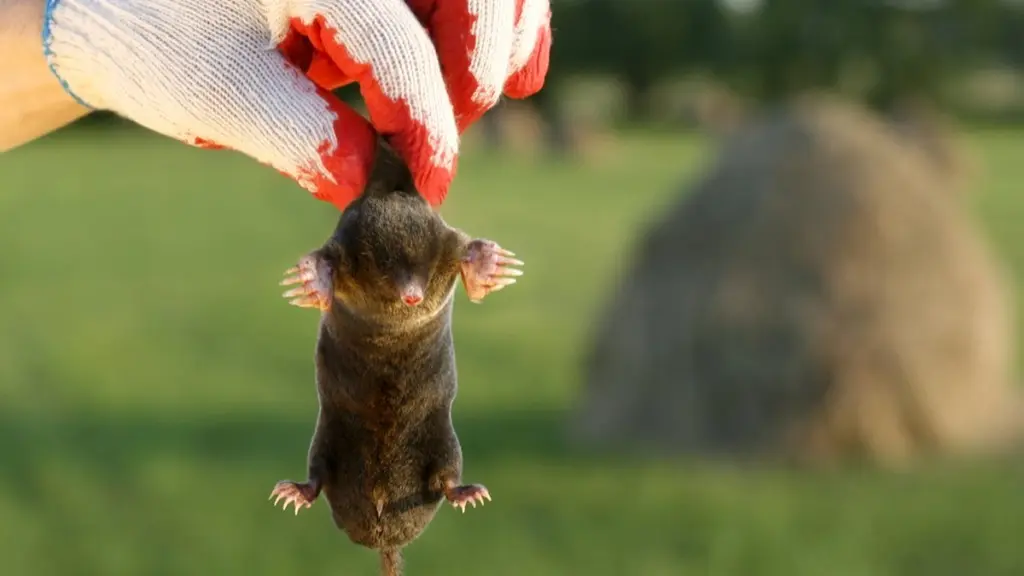
How can you prevent moles and rodents from burrowing under your greenhouse?
The presence of moles or rodents (voles, rats, blind mole rats) in a greenhouse is not just an aesthetic problem, but a direct threat to the farm’s profitability. In a greenhouse environment, these pests find an ideal habitat: loose, fertilized soil, a stable temperature, and an abundance of food.
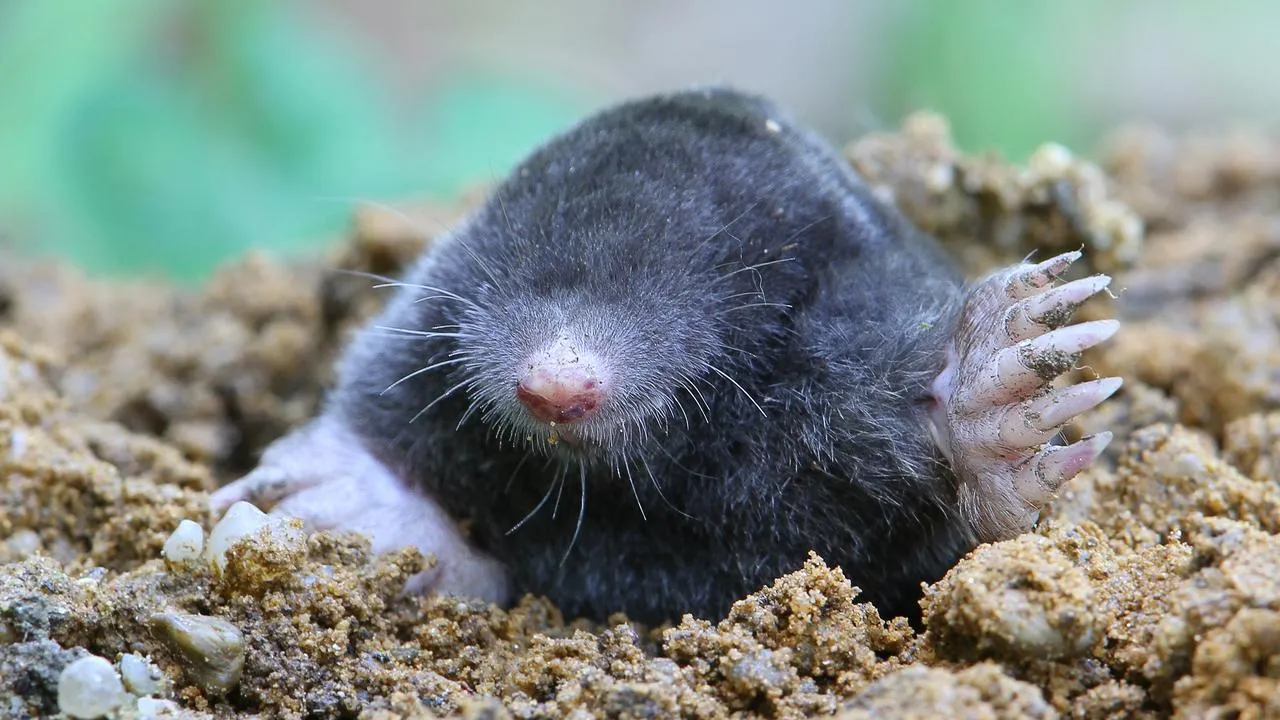
Threat Analysis: Biological Characteristics and Vectors of Infection
To design effective protection, it is necessary to understand not only the depth of the burrows but also the force that the animal exerts against the barrier.
Classification of Pests Based on Technical Parameters
| Parameter | Moles (Talpa europaea) | Rodents (Mice, Rats) | Blind moles (Spalax microphthalmus) |
|---|---|---|---|
| Biological Profile | Insectivore (predator). Hunts for worms. | Omnivorous. They feed on seeds, roots, and fruits. | Herbivore (phytophagous). Feeds on roots. |
| Soil type | It prefers moist black soil and loam. | They're versatile. They love their bedding. | Heavy soils, steppe regions of Ukraine. |
| Nesting depth | Up to 1.5–2.0 m (during the winter). | 0.3–0.6 m. | Up to 3.5 m (main tunnels). |
| Working Horizon | 10–40 cm (feeding tunnels). | 5–20 cm. | 20–80 cm (feeding zone). |
| Jaw/Paw Strength | Weak teeth, powerful paws (digs up the soil). | Powerful cutters (cut through lead and aluminum). | Extremely powerful chisels (capable of cutting through M100 concrete). |
| Diameter of the manhole | 50–60 mm. | 20–50 mm. | 80–120 mm. |
Vectors of Infiltration (Technical Audit)
- Tunnel: A deep passage dug under the foundation (most often a blind tunnel).
- Perimeter breach: Through gaps between the soil and the greenhouse frame.
- Route: Along drainage pipes or cable entries.
- Above-ground route: Through open transom windows (typical for rats).
Physical Barrier Design: Technical Specifications
The choice of material in Ukraine must strictly comply with the operating conditions in a harsh environment (high humidity inside the greenhouse + acidic soil).
Metal Mesh: Markings, Composition, and DSTU Standards
To protect greenhouses for more than 15 years, only galvanized welded steel mesh—produced by hot-dip galvanizing after welding—is used.
Key parameters according to standards:
- Wire type: Low-carbon steel in accordance with GOST 3282-74.
- Galvanizing method:
- Galvanic (electrolytic): A zinc coating of 10–20 g/m². Visually shiny. Corrodes in the soil within 12–18 months. Not recommended.
- Hot-Dip Galvanized: Zinc coating of 60–130 g/m². Visually matte, with drips at weld joints. Lasts 15–25 years in the ground. Recommended standard.
- Ukrainian standards:
- DSTU EN 10223-4: Requirements for Strength and Cell Geometry.
- DSTU ISO 1461: Specifications for the Thickness of the Zinc Protective Coating.
Table of Tolerances and Dimensions (Technical Specifications)
| Parameter | Meaning for Anti-Mole | Meaning for Anti-Rodent | DSTU Certification |
|---|---|---|---|
| Cell size | 12 x 12 mm / 16 x 16 mm | 6 x 6 mm / 10 x 10 mm | +/- 0.5 mm |
| Wire diameter | 0.9 mm – 1.0 mm | 1.0 mm – 1.4 mm | +/- 0.05 mm |
| Zinc thickness | more than 60 g/m² | more than 80 g/m² (Class C) | -10% from the nominal value |
| Breaking load | more than 350 N/mm² | more than 450 N/mm² | At least 95% samples |
Detailed Comparative Table of Barrier Solutions
| Defense Method | Material | Effectiveness against blindworms | Corrosion Resistance in Chernozem | Estimated budget (UAH/m²) |
|---|---|---|---|---|
| HDG Welded Wire Mesh | Steel + Zinc | Tall | Very high (up to 20 years) | 180 – 350 |
| Galvanized mesh | Steel (thin zinc) | Average | Low (1–2 seasons) | 80 – 140 |
| Plastic geogrid | Polypropylene (PP) | Zero (they gnaw through it) | Absolute | 40 – 90 |
| Concrete Belt + Glass | M250 + Fiber | Tall | Absolute | 800+ |
| Flat slate | Chrysotile cement | Low (brittle) | Tall | 150 – 220 |
Polymer Materials: When Are They Appropriate?
Plastic netting (for example, with a density of 300–500 g/m²) is permitted only as a temporary measure (for single-season greenhouses) or in regions where there are absolutely no field mice or rats.
- Labeling: UV stabilization is required (at least 3%).
- Cell size: No more than 15 × 15 mm.
Material Calculations and Installation Geometry
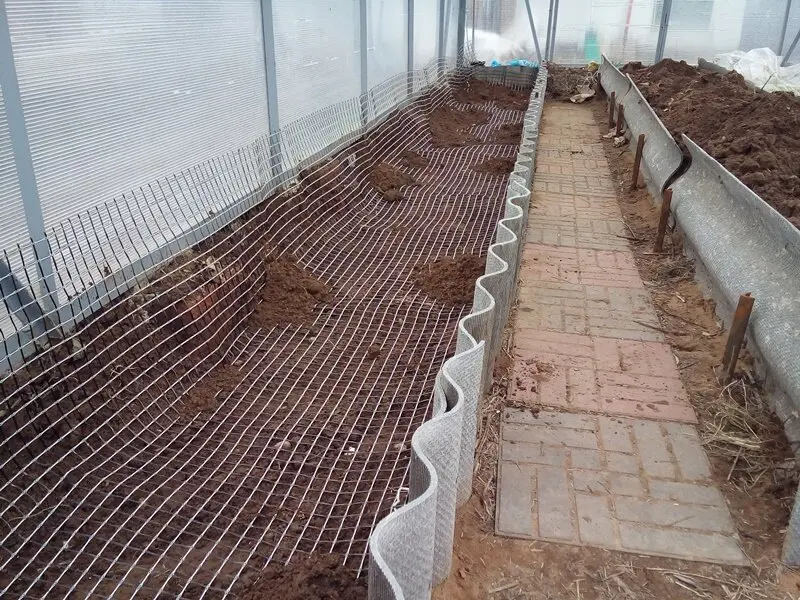
There are two fundamental engineering strategies for pest control. The choice depends on the stage of greenhouse construction and the specific type of pest.
Strategy A: Horizontal Solid Barrier (Bottom)
Creating a sealed barrier beneath the entire topsoil layer. This is the only method that provides a 100% guarantee against moles inside the greenhouse.
Table for Calculating Embedment Depth (Design Tolerances):
| Crop Type | Depth (cm) | Justification |
|---|---|---|
| Greens, lettuce, radishes | 20 – 25 | Minimal risk of damage to the roots and netting caused by the tool. |
| Vegetables (Tomato, Cucumber) | 35 – 45 | The amount needed to develop a strong root system. |
| Berries (Raspberries) | 50 – 60 | Accounting for the depth at which the primary roots are located. |
Formula for calculating the amount of material needed for horizontal installation:
S_total = (L + 0.4) * (W + 0.4) * 1.1 Where:
- L, W — The length and width of the greenhouse (in meters).
- 0.4 — Overhang coefficient (20 cm on each side).
- 1.1 — Process allowance for sheet overlap (10%).
Example (4 x 10 m greenhouse): S = (4.4) * (10.4) * 1.1 = 50.3 m² of netting.
Strategy B: Vertical Defense Screen (Perimeter)
It is used to protect existing greenhouses or to control mole crickets.
Screen Specifications:
- Depth (D): At least 80–100 cm. In central and northern Ukraine, this is below the frost line, which blocks moles' winter migrations.
- Above-ground section (H): 15–20 cm. Prevents rats and mice from entering along the surface.
- Protective «Skirt» (L): The bottom edge of the netting (the last 20 cm) is folded outward at a 90-degree angle (away from the greenhouse). This creates a «dead-end trap» for the animal.
Formula for calculating the material required for a vertical screen:
S_vert = (2 * (L + W)) * 1.35 Where:
- 1.35 — Total height of the fence (1.0 m depth + 0.15 m above ground + 0.2 m for the bend).
Example (3 x 6 m greenhouse): S = (2 * (3 + 6)) * 1.35 = 18 * 1.35 = 24.3 m².
Comparison of Strategies (Engineer's Choice)
| Parameter | Horizontal «Bottom» | Vertical «Screen» |
|---|---|---|
| Effectiveness against moles | 100% | 85% (deep excavation possible) |
| Protection Against the Blind Mole Rat | Medium (may gnaw through) | High (at a depth of 1.2 m) |
| Cost of the work | High (complete excavation of all soil) | Medium (narrow trench) |
| Repairability | Low | Tall |
Step-by-Step Installation Guide
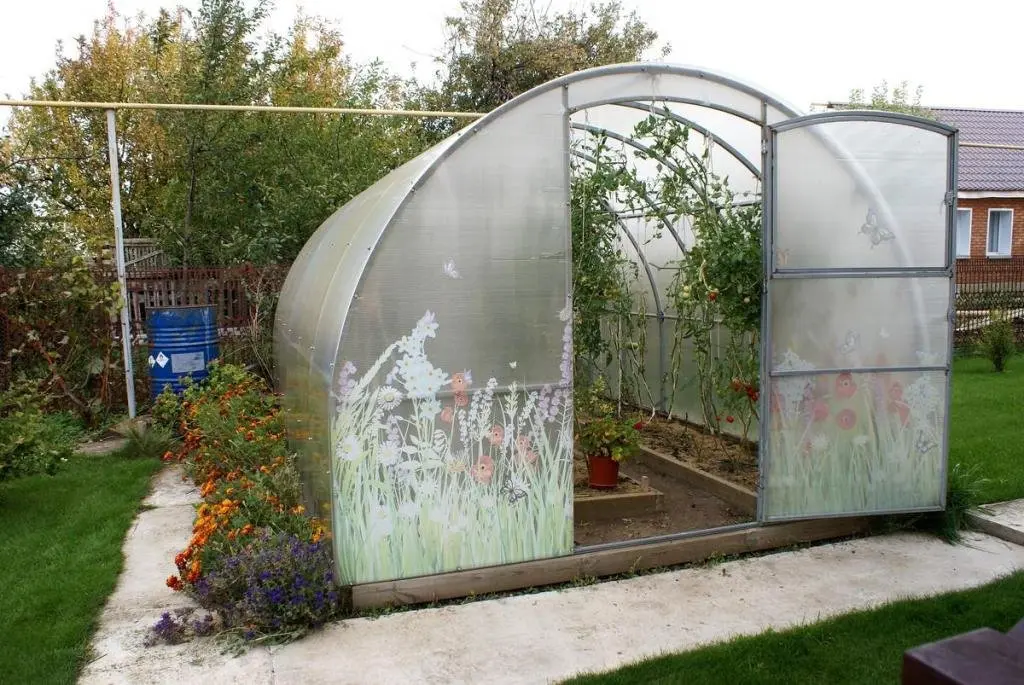
Proper installation determines the system's service life. Even a minor deviation from the installation procedure (poor twisting or insufficient overlap) renders the barrier ineffective.
Step 1: Earthwork and Calculation of Soil Volume
Horizontal installation requires complete excavation.
- Calculating the volume (V): For a 3 x 6 m greenhouse with a depth of 40 cm: 3 * 6 * 0.4 = 7.2 m³.
- Loosening coefficient (K_r): For chernozem, ~1.25. The total volume of excavated soil will be approximately 9 m³.
- Tip: Store the topsoil (0–20 cm) separately from the underlying «subsoil» layer to ensure proper reclamation later.
Step 2: Preparing and Profiling the Substrate
- Layout: The bottom of the excavation must have a slope of no more than 1–2 degrees to prevent water from pooling on the mesh.
- Compaction: Use a hand tamper. The compaction factor should be such that no deep footprints remain when walking on the surface.
- Drainage layer: Add 3–5 cm of river sand (0.5–2 mm grain size). This protects the zinc layer from mechanical abrasion caused by hard particles in the soil.
Step 3: Cutting and Laying the Mesh
- Orientation: Lay the panels along the long side of the greenhouse to minimize the number of seams.
- Overlap Tolerances: According to engineering standards, the overlap between panels should be:
- For mole protection: 100 mm.
- To protect against small rodents: 150–200 mm.
- Securing to the ground: Use P-shaped staples made of galvanized wire (15–20 cm long) every 1–1.5 meters to prevent the mesh from shifting when backfilling.
Step 4: Connection Joint and Joint Reinforcement
Moles are very strong and can push apart sheets if they are simply stacked on top of each other.
- Joining method: «Snake» stitching or using knitting wire (soft, annealed, 1.2 mm in diameter).
- Spacing between ties: Every 10–15 cm.
- Do Not: Do not use plastic ties (clamps). When exposed to fluctuations in temperature and acidity in the soil, they become brittle and break after 3–4 years.
Step 5: Forming a «Closed Loop» (Critical Node)
Creating a «trough»-shaped barrier prevents the barrier from being bypassed from the side.
- Overhang height: 15–20 cm above ground level.
- Fastening to the frame:
- For wood: Self-tapping screws with a lock washer (spaced 20 cm apart).
- To concrete/foundation: Steel pressure strip (20 x 2 mm) secured with anchors.
- Tolerance: The gap between the pressure strip and the foundation must not exceed 2 mm.
Step 6: Layer-by-Layer Backfilling
- First Layer (Protective): Spread the first 10 cm of soil by hand in a loose layer, without compacting it or using machinery. This will create a cushioning layer.
- Subsequent layers: You can use wheelbarrows and shovels. After filling to a depth of 20 cm, it is recommended to water the area thoroughly to allow the soil to settle naturally and prevent the formation of air pockets under the mesh, which mice tend to use.
Comparison of Installation Quality: Tolerances in Ukraine
| Controlled parameter | Standard (Expert Level) | Defect (Needs Rework) |
|---|---|---|
| Overlap width | 150 mm | Less than 50 mm |
| Wire-binding pitch | 120 mm | More than 300 mm or no binding |
| Deviation of the bottom from the plane | +/- 30 mm per 6 meters | Visible Potholes and Bumps |
| Mesh Tension | No ripples or bulges | The Presence of «Pockets» and Voids |
Additional Engineering Components and Tolerances
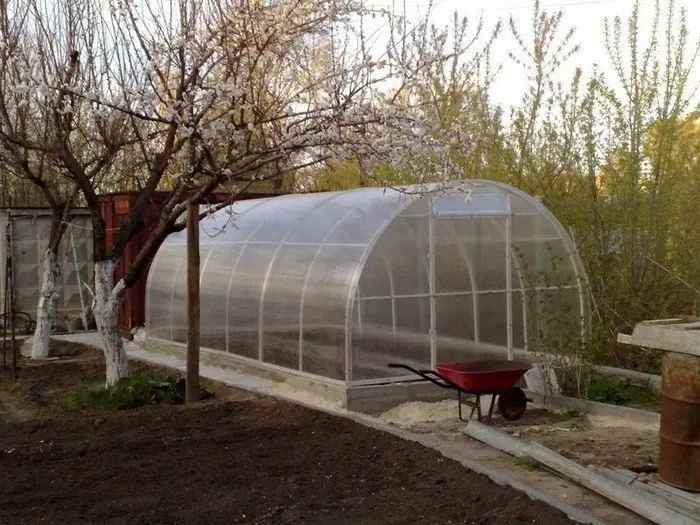
For large-scale greenhouses and farms, a standard mesh may not be sufficient. The use of integrated concrete and structural solutions is governed by building codes.
Foundation and Footing (in accordance with DBN V.2.2-2:2005)
In Ukraine, the use of strip footings is recommended for greenhouses larger than 50 m².
- Installation depth: To protect against blind mole rats—at least 1.0 m. To protect against moles—0.6 m.
- Belt width: 150–200 mm.
- Reinforcement: 4 A400 rebar rods with a diameter of 10 mm.
Engineering Ingenuity: The Mix Design for Protective Concrete To create a physical barrier that rodents can’t chew through, specific additives are used when mixing M250 concrete:
- Steel fiber: 40–60 kg per 1 m³ of concrete. Provides micro-reinforcement that prevents holes from being gnawed through.
- Abrasive filler: Add broken glass (5–10 mm in size) to the mixture in an amount equal to 10% of the crushed stone’s mass. Rodents are physically unable to gnaw through this material with their incisors.
Comparison Table of Foundation Types
| Foundation Type | Depth (m) | Degree of protection | Estimated service life |
|---|---|---|---|
| Shallow-depth (MZF) | 0.3 – 0.4 | Low (they dig under it) | 15 years |
| Fully buried strip foundation | 1.0 – 1.2 | High (a barrier for everyone) | 50 years |
| A foundation made of FBS blocks | 0.6 | Medium (cracks in the seams) | 30 years |
Sealing Utility Entrances
Rodents often use service openings as ready-made entry points. According to greenhouse operating standards, all openings must be «sealed.».
Technical requirements for passageway assemblies:
- Steel sleeves: All pipes (HDPE, PVC) and cables must be routed through a steel sleeve (VGP pipe in accordance with GOST 3262-75) with a diameter 20–30 mm larger than that of the main pipe.
- Steel guardrail designation: Galvanized, straight-seam, electric-welded pipe.
- Sealing Gaps:
- «Metal Plug» Method: The space between the sleeve and the pipe is tightly packed with stainless steel shavings (scrap) to a depth of 50 mm on both sides.
- Final Sealing: The padding is covered with M300 cement-sand mortar mixed with liquid glass (silicate) to accelerate hardening.
Protection of Drainage and Ventilation Systems
Ventilation openings in the foundation and drainage outlets are the most vulnerable areas.
- Drain outlets: Install drain caps with check valves or stainless steel mesh inserts labeled "Mesh 20" (0.5 mm wire, 0.8 mm mesh size).
- Ventilation openings: Covered with steel grilles (sheet thickness of at least 2 mm) with a hole diameter of no more than 6 mm.
Recommendations for Selecting Products in the Ukrainian Market
Choosing high-quality products on the Ukrainian market is 90% key to the success of the entire protection system. Mistakes in selecting the mesh or improper installation result in the need to redo the protection after two years, which requires complete soil removal.
Why is NovaTeplitsa the market leader in Ukraine?
We at NovaTeplitsa are a leading manufacturer of greenhouses in Ukraine. We don’t just sell structures—we offer comprehensive turnkey engineering solutions.
- Custom Design: We calculate the load and depth of protection specifically for your soil type and region in Ukraine.
- Turnkey Implementation: Our installation team handles every step of the process—from professional excavation using specialized equipment to sealing utility connections. You don’t need to look for contractors or worry about the intricacies of wire installation—we’ll hand over the project fully protected against pests.
- In-House Manufacturing: Our greenhouses are designed from the outset to accommodate the integration of «Anti-Krot» systems.
Technical Specifications for Selecting a Mesh (Checklist)
| Technical Specification | Expert Requirement | How to Check It Yourself |
|---|---|---|
| Roll weight (1 x 25 m) | At least 14.5–16 kg (for a 6×6 cell, d=1.0) | Compare the actual weight. A lightweight roll is a sign that the wire diameter has been understated to 0.6–0.7 mm. |
| Welding Quality | Absence of black spots and scale in the joints | Welded areas must be completely coated with zinc. Black spots are areas of corrosion that will «rot away» within a year. |
| Density of zinc | At least 80 g/m² (Class C according to DSTU) | Ask to see the wire manufacturer's certificate. Visually: the zinc should have a matte finish with characteristic «blobs.». |
| Certification | Compliance with DSTU EN 10223-4 | The presence of an original quality certificate for the shipment. |
Comparison of Market Offers
- Budget option (China): Labeled «galvanized,» but actually electrogalvanized (10–15 g/m² of zinc). 0.6 mm wire. Rodents can gnaw through it in a single season, and corrosion eats away at the metal in two.
- Professional Version (NovaTeplitsa): We use only hot-dip galvanized (HDG) mesh made from high-quality Ukrainian wire that complies with GOST 3282-74. This guarantees 20+ years of service life in aggressive soil.
Professional Tips for Purchasing
- Instrumental Inspection: Always carry a micrometer with you. If the wire is specified as 1.2 mm but the micrometer reads 0.85 mm, this is a critical violation; such netting will not withstand the pressure of the blind.
- Cell Geometry: Unroll the roll 2–3 meters. The cells must be strictly parallel. Any distortion in the geometry indicates a violation of welding procedures and internal stresses in the metal, which will lead to tears in the mesh under the pressure of heaving soil.
Frequently Asked Questions (FAQ)
Question: Do ultrasonic repellents work? Expert’s answer: They are not very effective in the enclosed space of a greenhouse. Sound waves quickly fade in dense soil and are deflected by obstacles (foundations, garden beds). In addition, rodents adapt to the monotonous sound within 2–3 weeks.
Question: Can fiberglass mesh be used on building facades? Expert’s answer: Absolutely not. It lacks sufficient rigidity, can be easily chewed through even by field mice, and breaks down in the alkaline soil environment.
Question: Do I need to protect the top of the greenhouse? Expert's answer: If there are rats in the area, they can get in through open ventilation windows. You should install stainless steel or aluminum screen on the ventilation windows.
Investing in high-quality steel mesh during the greenhouse construction phase pays for itself in 1–2 growing seasons by protecting the crop and reducing the need for pesticides. Remember: for mole protection, the coverage area is key, while for rodent protection, the mesh size should be as small as possible and there should be no gaps where the mesh meets the frame.