



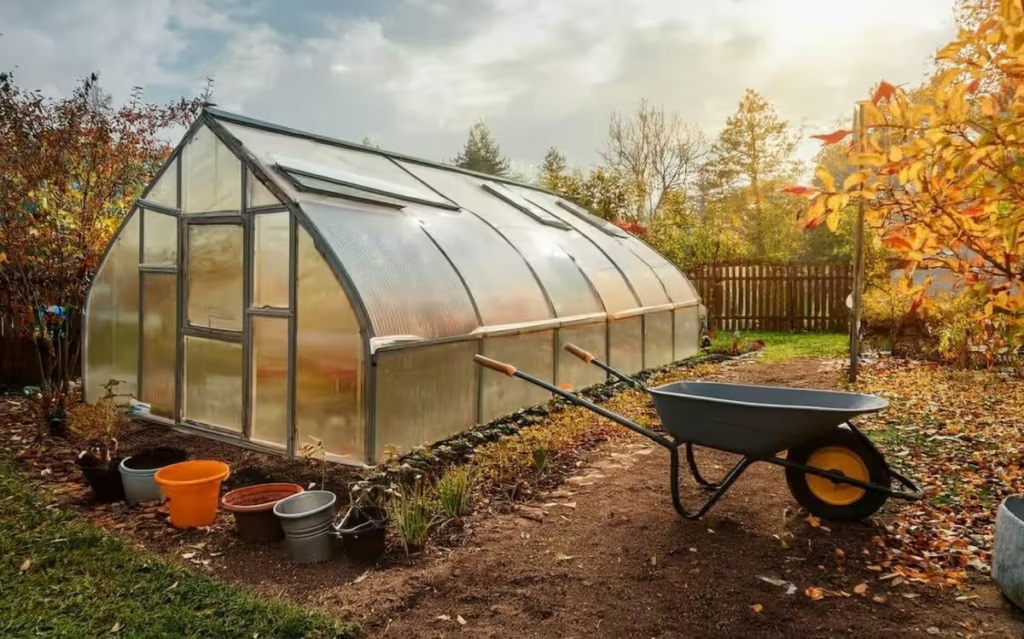
How to Prepare a Greenhouse for a Power Outage: A Comprehensive Guide from Engineers and Agronomists
For every Ukrainian urban farmer, backyard gardener, or owner of a large greenhouse complex, the winter and spring seasons of recent years have become a true test of resilience. The energy crisis, along with emergency and scheduled power outages, has forced them to urgently seek solutions to protect their crops. While in the summer a power outage might only disrupt the automatic irrigation system, in late fall, winter, and early spring, even a four-hour outage of heating and supplemental lighting in an unheated or poorly insulated greenhouse can completely ruin months of hard work.
What happens to tomatoes when the temperature drops to +2 degrees? How can you save delicate seedlings without access to the main power grid? Which backup equipment is truly effective, and what isn’t worth spending money on? NovaTeplitsa, which has been operating in the Ukrainian greenhouse technology market since 1995, has prepared this detailed guide. We’ve combined our 30 years of experience in designing metal structures, modern thermal engineering calculations, and practical recommendations from Ukraine’s leading agronomists to ensure your greenhouse successfully weather any power outage.
Why Power Outages Are Life-Threatening for Greenhouses
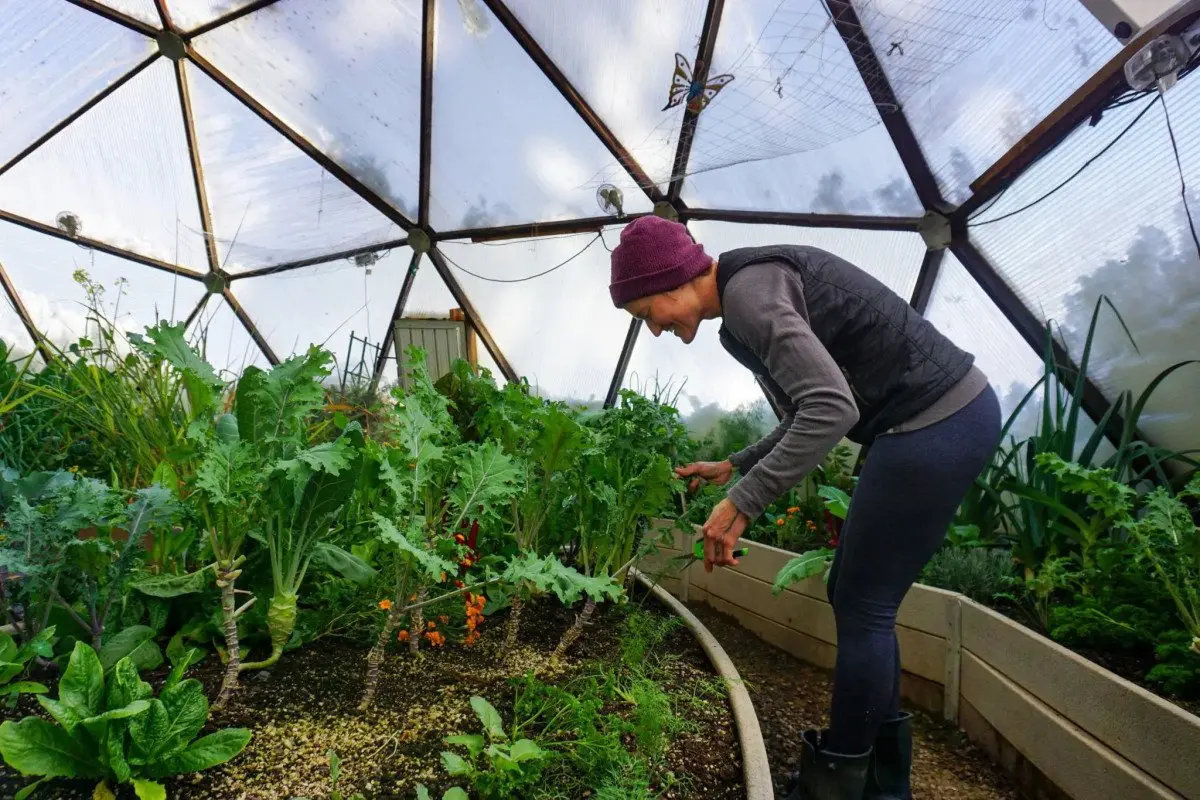
A modern greenhouse is a complex ecosystem whose functioning depends directly on a stable power supply. A power outage instantly affects four key factors of the microclimate: temperature, humidity, air exchange, and lighting.
Temperature Shock and Its Effects on Plants
Unlike warm-blooded animals, plants do not have their own thermoregulatory system. Their temperature depends entirely on the environment. The table below lists the critical temperature thresholds for popular greenhouse crops.
| Culture | Optimal temperature for growth (in degrees Celsius) | Growth arrest (in degrees Celsius) | Critical damage threshold (in degrees Celsius) | Plant Death (in degrees Celsius) |
|---|---|---|---|---|
| Tomatoes | from +22 to +25 | from +12 to +15 | from +5 to +8 (ovary shedding) | from 0 to -1 |
| Cucumbers | from +24 to +28 | from +15 to +17 | +10 (root dieback) | 0 |
| Greens (lettuce, spinach, dill) | from +15 to +18 | from +8 to +10 | from +2 to +4 | from -3 to -5 |
| Seedlings (most crops) | from +20 to +22 | from +14 to +16 | from +8 to +10 (developmental delay) | from 0 to +2 |
When the water heating circulation pump or electric convectors shut off, the temperature in a polycarbonate greenhouse on a frosty day drops at a rate of up to 4–6 degrees per hour, depending on how well the structure is sealed. Within just 2–3 hours, the temperature can reach the critical point at which plant growth stops, after which an irreversible process of root system damage and leaf wilting begins.
Humidity and Condensation: The Invisible Killers of Crops
When the lights are turned off and the fans stop, air stagnation occurs. In an enclosed space, transpiration (the evaporation of water by plants) continues, causing the relative humidity to rapidly approach 100%.
When the temperature drops, the air loses its ability to hold moisture, and cold condensation (dew point) forms on the interior walls of the greenhouse and, most importantly, on the leaves and stems of the plants. This is an ideal environment for the rapid growth of fungal and bacterial pathogens:
- Gray mold (Botrytis cinerea);
- Late blight;
- Peronosporosis (downy mildew);
- Root rot (which is particularly destructive to cucumbers when the soil temperature drops below +15 degrees).
Cessation of assimilation due to a lack of supplemental lighting
For winter cultivation or early forcing of seedlings in January–March, supplemental lighting (photosynthetically active radiation—PAR) is critical. Photosynthesis requires a continuous daylight period lasting 14–16 hours.
Regular interruptions in lighting disrupt the plants’ circadian rhythms. They begin to stretch, become spindly, and drop their buds. Even if the temperature is maintained at an acceptable level, the absence of light for 12–24 hours slows the development of seedlings by several weeks.
A Step-by-Step Plan for Preparing a Greenhouse for Power Outages
Preparing a greenhouse for energy self-sufficiency should be done well in advance. We divide this process into passive (non-energy-dependent) insulation measures and active engineering solutions.
Thorough insulation of the structure and elimination of «thermal bridges»
The first rule of energy efficiency: it is cheaper to conserve existing heat than to generate new heat. Over time, any greenhouse loses its airtightness due to soil settlement, wear and tear on seals, or microcracks.
- Sealing polycarbonate joints. Check the condition of the end and connecting profiles. Use special vapor-permeable tape for the bottom ends and solid aluminum tape for the top ends of the cellular polycarbonate. This will prevent moisture and dust from entering the cells, which significantly reduce light transmission and increase thermal conductivity. Seal all gaps at the joints between the frame and the foundation with high-quality, weather-resistant silicone caulk or polyurethane construction foam.
- Installation of the second covering layer («thermos»). For winter use, we strongly recommend installing a second covering layer inside the greenhouse. A dense, durable greenhouse film 100–120 μm thick or a special air-bubble film is stretched over the inner side of the frame. An air gap between the polycarbonate and the inner film, 5–10 cm wide, reduces the structure’s total heat loss by 35–45%.
- Insulating the base and foundation. The ground around the greenhouse is a powerful heat sink. We recommend insulating the greenhouse foundation from the outside to the depth of soil freezing (at least 50 cm) using 50-mm-thick sheets of extruded polystyrene foam (EPS). The EPS is covered with flat slate or decorative panels to protect it from UV rays and physical damage.
Heat Retention and Accumulation in the Soil
The root system of plants is much more sensitive to cold than the above-ground parts. While tomato stems can survive a brief drop in temperature to +8 degrees, soil temperatures below +12 degrees block the uptake of phosphorus and nitrogen, halting the plant’s growth.
- Mulching garden beds. Covering the soil with straw, hay, dry peat, or dark agricultural fabric with a density of 50–60 g/sq. m slows the transfer of heat from the soil to the air at night.
- Creating organic «warm beds.» This is a classic biological method that has been tried and tested over centuries. When preparing the beds to a depth of 40–50 cm, a layer of fresh manure (preferably horse manure) mixed with straw, leaves, or sawdust is laid down. The biological decomposition of organic matter releases steady heat for 2–3 months, maintaining a temperature in the root zone between +18 and +22 degrees even when the air temperature is at freezing.
- Using raised beds. Raising the soil level 30–40 cm above the general soil level of the greenhouse isolates the root zone from the cold underlying soil. The inner walls of the boxes for these raised beds can also be lined with a thin layer of foamed polyethylene.
Active Heat and Electricity Sources: Selection and Calculation of Reserve Capacity
When passive methods have been exhausted, active engineering protection comes into play. Let’s consider the main options for creating an independent power hub.
Generators: Gasoline, Diesel, or Natural Gas?
A generator is a fundamental component of energy self-sufficiency in medium- and large-scale greenhouses. It keeps circulation pumps, automation systems, irrigation systems, and emergency lighting running.
| Comparison Parameter | Gasoline Generator | Diesel Generator | Dual-fuel (LPG/Gasoline) |
|---|---|---|---|
| Initial Investments | Low | Tall | Averages |
| Fuel consumption (per 1 kW·h) | Tall (0.35–0.45 L) | Low (0.25–0.3 L) | Fuel-efficient (runs on propane-butane) |
| Starting the engine in freezing temperatures (-15°C) | Lightweight | Difficult (winter fuel is needed) | Lightweight (when running on gasoline) |
| Engine service life (engine-hours) | 1000 – 3000 | 5000 – 8000+ | 1500 – 3500 |
| Noise Level | Medium | High | Low (on gas) |
For small backyard greenhouses (for example, 3×4 or 4×6 m), a compact gasoline generator with a capacity of 2.5–3.5 kW is sufficient. For commercial greenhouses of 50 square meters or larger, the best choice is a diesel generator with a power output of 6–8 kW capable of long-term continuous operation (up to 12–15 hours on a single tank).
Backup Power Systems: Inverter + Batteries
The main drawbacks of a generator are noise, the need for constant refueling, and expensive maintenance. A modern alternative is a combination of an uninterruptible power supply (UPS/inverter) and a high-capacity battery bank.
We recommend using pure sine wave inverters. This is critically important for the electric motors in heating circulation pumps and fans—the modified sine wave produced by cheap automotive inverters will quickly cause them to fail.
Lithium iron phosphate (LiFePO4) batteries have proven to be the best choice for energy storage. Their advantages over traditional lead-acid (AGM/GEL) batteries are:
- Discharge depth up to 90% without loss of capacity (AGM batteries can be discharged without damage only up to 50%);
- Service life of more than 4,000–6,000 cycles (compared to 400–600 for AGM);
- Fast charging (the battery can be fully charged in 2–3 hours between power outages).
Solar Power Plants (SPPs) for Greenhouses
A hybrid solar power station with batteries represents the highest level of self-sufficiency. During the spring and summer, the solar power station can fully cover the greenhouse’s energy needs (operation of automation systems, drip irrigation, and ventilation). However, in winter in Ukraine (low sunlight, frequent cloud cover, snow on the panels), power generation drops by 80–90%. Therefore, in winter, the solar power system is considered solely as a supplementary element that reduces the generator’s fuel consumption during daylight hours.
Passive (energy-free) methods of heat retention
If the power is out for an extended period and the generator has broken down, the basic laws of energy storage will help save your plants.
- Water-based heat storage systems. Water has an extremely high specific heat capacity (about 4,200 joules per kilogram per degree Celsius). Placing black-painted plastic bottles or 100–200-liter metal or plastic barrels in the greenhouse creates a powerful thermal buffer. During the day, the water is heated by sunlight (or a backup boiler), and at night it gradually releases heat into the air. It is recommended to have at least 500 liters of water for every 10 square meters of greenhouse area.
- Stones and soil heat storage. Pathways made of dark solid-body brick or natural rubble stone also function as passive heat storage.
- Temporary indoor shelter («mini-greenhouse»). In the event of an extreme drop in temperature, arches are set up directly over the garden beds and two layers of dense white agricultural fabric (spunbond), grade 50 or 60, are stretched over them. This reduces the volume of air to be heated by a factor of 4–5 and reliably traps the heat radiating from the warmed soil directly around the plants.
- A snow parapet on the outside. Freshly fallen, loose snow is an excellent natural insulator thanks to the air it contains. Piling snow against the lower part of the greenhouse walls (to a height of 50–70 cm) significantly reduces heat loss through the joints between the foundation and the frame.
Ventilation and Humidity Control During a Blackout
Many people make the mistake of sealing their greenhouse completely during a power outage. This leads to excessive humidity and plant rot. Solutions for non-electric ventilation:
- Thermal actuators for windows. Automatic window openers operate by expanding a special fluid (oil or paraffin) in a hydraulic cylinder when the air heats up. They do not require electricity. They reliably open the vents when the temperature rises above +22 degrees and close them when it cools to +16 degrees. Our company equips all modern greenhouse models with these non-electric thermal actuators.
- Natural microcirculation. During brief power outages, you can manually open the vents at the ends of the greenhouse slightly during the warmest part of the day to release excess moist air, while preventing drafts at soil level.
Technical Specifications, Calculations, and Range Examples
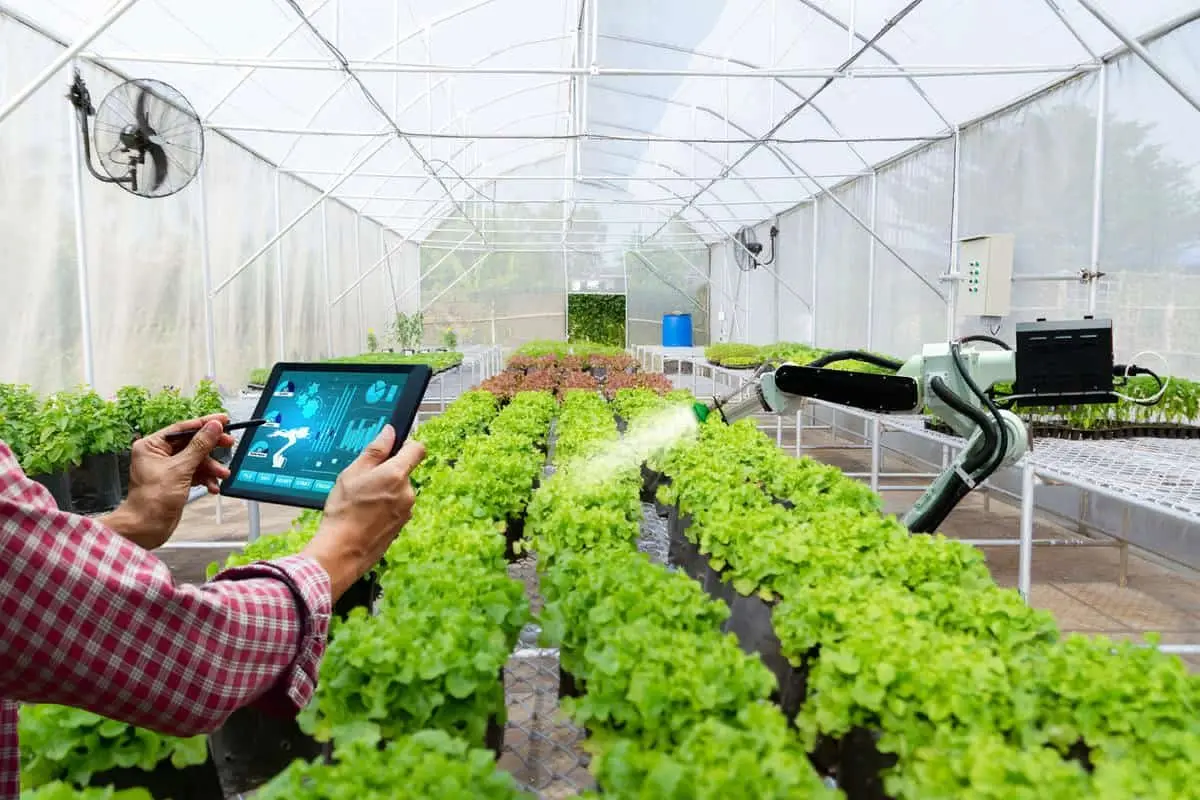
To select the right equipment, it is essential to rely on accurate engineering data. Let’s look at a specific example of calculating heat loss and determining the required energy reserve for two popular greenhouse models manufactured by NovaTeplitsa.
Example of Calculating Heat Losses in a Greenhouse
The required heating capacity (in kilowatts) to compensate for heat loss is calculated using the following formula:
Heating capacity = Glazed area * Heat transfer coefficient * Temperature difference * 1.15
Where:
- Glazing area — the total area of the greenhouse's envelope (walls and roof), in square meters;
- Heat transfer coefficient—a measure of a covering material’s thermal performance, measured in watts per square meter per degree Celsius;
- The temperature difference is the difference between the desired temperature inside the greenhouse and the minimum design temperature outside;
- 1.15 — a correction factor that accounts for natural drafts and air infiltration through micro-gaps.
Reference values for the heat transfer coefficient for various materials:
- Single-pane glass (4 mm thick): 5.8 to 6.0;
- Single-layer polyethylene film: 7.5 to 8.5;
- 4-mm-thick multiwall polycarbonate: 3.9;
- 6-mm-thick multiwall polycarbonate: 3.5;
- 8-mm-thick multiwall polycarbonate: 3.2;
- 16-mm-thick double-wall polycarbonate: 2.3.
Case Study No. 1: A 4-by-6-meter garden greenhouse (glazed area of approximately 42 square meters)
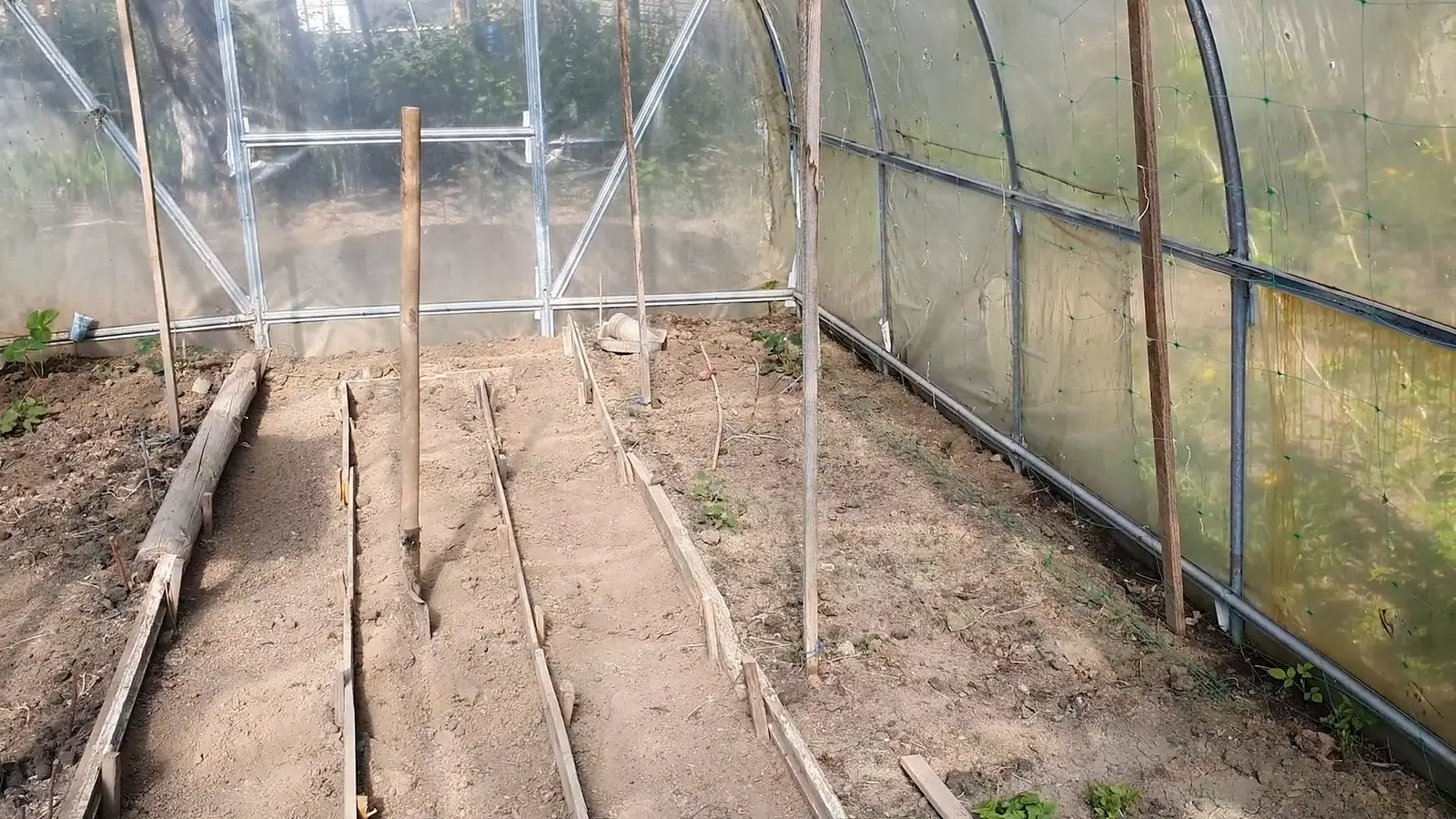
For a detailed analysis, let’s consider a standard «Nova-Standard» arched greenhouse model that is 4 meters wide, 6 meters long, and 2.1 meters high. For the correct selection of equipment, a rough estimate based on floor area (24 square meters) is categorically insufficient. We need to calculate the exact area of thermal contact with the external environment (the area of the dome’s and gable ends’ envelope) and account for heat loss through the ground.
Step 1. Calculation of the area of the building envelope (thermal envelope)
The geometry of a 4-by-6-meter arched greenhouse is that of a half-cylinder. Let’s perform some precise geometric calculations:
- Length of the dome's arch: With a base width of 4 meters and a height of 2.1 meters, the length of a single semicircular arch in the frame is approximately 6.4 meters.
- Area of the translucent dome: Multiply the length of the arc by the length of the greenhouse: 6.4 m × 6 m = 38.4 sq. m.
- Area of the vertical ends (two walls): The area of one semicircular end is calculated using the formula for a semicircle and is approximately 6.3 square meters. For the two ends (front and rear), the total area is: 6.3 × 2 = 12.6 square meters.
- Total area of the building envelope (S glazed): Add the areas of the dome and the gable ends: 38.4 + 12.6 = 51.0 sq. m (note that this is more than twice the area of the foundation!).
Step 2. Determination of Actual Thermophysical Coefficients
High-quality 6-mm-thick cellular polycarbonate with a base heat transfer coefficient of 3.5 watts per square meter per degree Celsius is used as the covering material.
However, when designing their systems, NovaTeplitsa’s engineers always take into account the harsh operating conditions of a typical Ukrainian winter:
- Polycarbonate aging and contamination factor (aging factor K = 1.1). Dust, micro-scratches, and condensation on the inner walls of the cells increase the sheet’s overall thermal conductivity by 10%. The actual operating heat transfer coefficient for polycarbonate is: 3.5 * 1.1 = 3.85 watts/(sq. m * °C).
- Wind pressure coefficient (Wind K = 1.25). Greenhouses are often installed in open areas. When winter wind speeds exceed 5–7 meters per second, heat loss from the polycarbonate surface increases sharply. The air infiltration (draft) coefficient increases from the standard 1.15 to 1.25.
- Heat loss through the uninsulated perimeter of the foundation. In winter, about 15% of heat escapes not through the dome, but directly into the frozen ground along the greenhouse perimeter. The perimeter length of our greenhouse is: (4 + 6) * 2 = 20 meters. With a temperature difference of 15 degrees between the air and the ground, heat loss through the uninsulated foundation will amount to an additional 360 watts.
Step 3. Calculation of Peak Heating Capacity for Critical Conditions
Let's set the following goal: to reliably maintain a temperature of +15 degrees Celsius inside the greenhouse—a temperature safe for plant growth—even when the outside temperature briefly drops to -5 degrees. The temperature difference is exactly 20 degrees.
Let's calculate heat loss through the building envelope:
Heat loss through the dome and ends = 51.0 sq. m * 3.85 * 20 degrees * 1.25 = 4,908 watts
Let's add the heat loss through the ground perimeter (360 watts):
Total heat loss from the greenhouse = 4,908 + 360 = 5,268 watts (or approximately 5.3 kW)
Important Expert Note: Most online calculators will estimate the heating requirement for this type of greenhouse at 3.3–3.5 kW. In practice, however, without taking into account the actual area of the dome’s arch, wind, and heat loss to the ground, such a simplified heating system will fail during the very first serious power outage in freezing weather, and the temperature in the greenhouse will drop to a dangerous +7…+9 degrees.
Step 4. Selecting a Backup Generator: Why You Shouldn't Buy One That's “Just Enough”
If you use all-electric convection heaters with a total power of 5.3 kW to maintain the indoor climate, this places strict requirements on the backup power source:
- Constant-load factor of the generator. The internal combustion engine of a gasoline or diesel generator is not designed for continuous operation at maximum capacity for many hours. The optimal operating mode for a power plant is 75–80% of its rated capacity.
- Calculating the Required Generator Power: Divide the calculated heat loss by the optimal load factor: 5.3 kW / 0.8 = 6.6 kW.
Therefore, to ensure the safe operation of the electrical heating system in a 4x6-meter greenhouse during winter power outages, you will need a powerful generator with a rated output of at least 6.5–7.0 kW. The fuel consumption of such a generator will be about 2.2–2.8 liters of gasoline per hour, which will make autonomous heating an extremely expensive proposition.
Step 5. An Alternative Hybrid Engineering Solution from NovaTeplitsa
To reduce fuel costs by a factor of 15 and minimize the required generator power, our engineers recommend using a hybrid system:
- Main heating system: A slow-burning solid-fuel stove (for example, a «00» model Buleryan stove with a capacity of 6 kW). The cost of heating with firewood or fuel briquettes is significantly lower than that of electric heating. The stove is completely energy-independent.
- Auxiliary Control Circuit: A small circulation fan (30 W) to maintain a uniform temperature under the dome, and an automatic thermostat.
- Backup Power: During a power outage, you don’t need to start up a noisy 7 kW generator. All you need is a simple 300-watt UPS and a single 50 Ah LiFePO4 battery, which will quietly and reliably power the fan for 15–18 hours.
Case Study No. 2: Commercial greenhouse, 6 x 12 meters (glazed area of approximately 125 square meters)
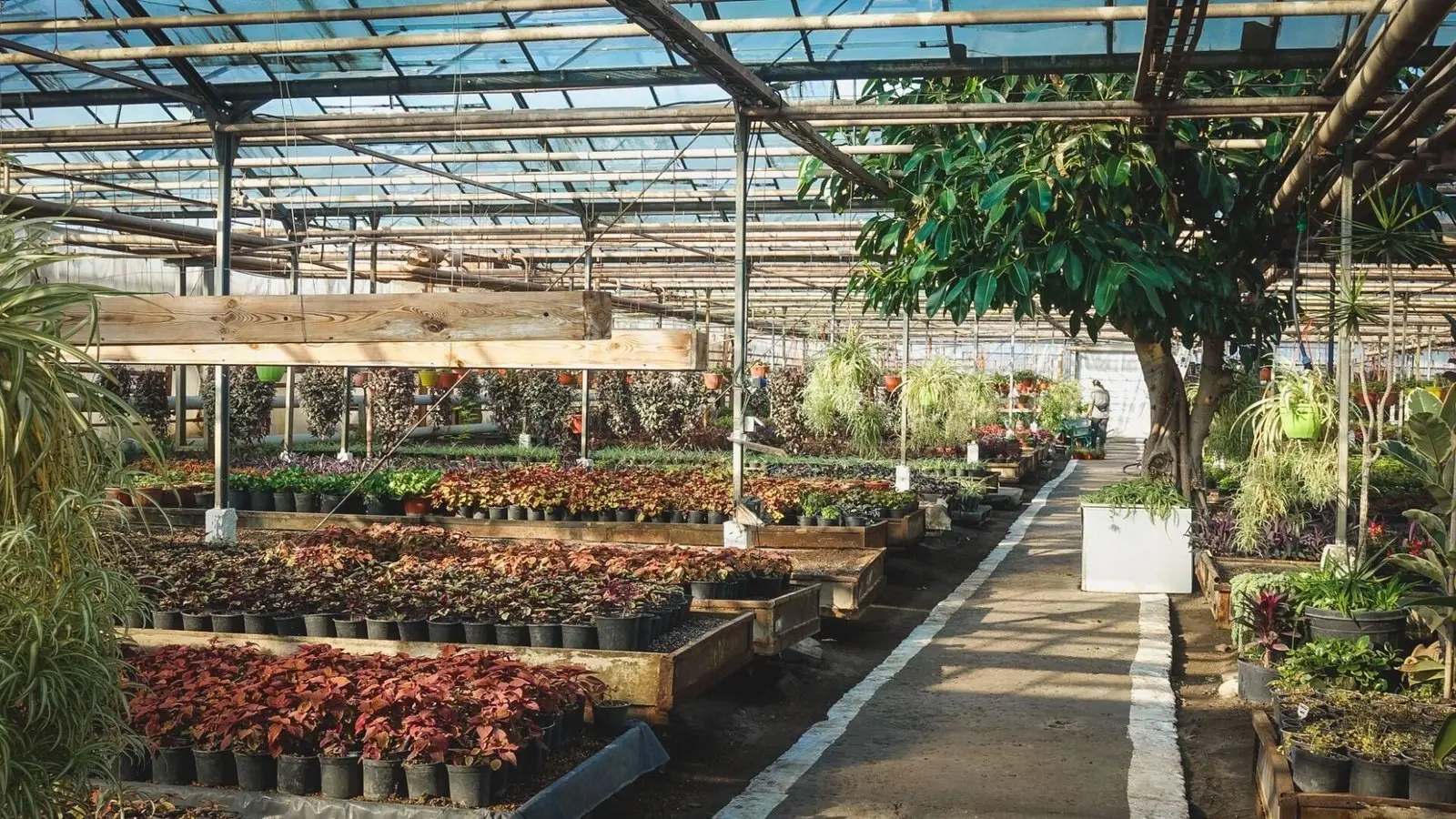
The «Nova-Farmer» model, featuring a reinforced Gothic-style frame, is used for the commercial cultivation of early vegetables, herbs, or flowers. Its dimensions are as follows: width—6 meters, length—12 meters, and ridge height—3 meters. The greenhouse has a floor area of 72 square meters. Let’s calculate the exact geometry of the heating circuit:
- The arc length of the Gothic dome. Due to the steep angle of the walls, which allows snow to slide off effectively, the arc length from the ground to the ridge is 4.8 meters on one side (the total arc length of the dome is 9.6 meters).
- Area of the translucent dome. Multiply the arc length by the length of the structure: 9.6 m × 12 m = 115.2 square meters.
- Area of the end walls. The area of a single Gothic end wall is approximately 15.0 square meters. For two gable ends (including entrance doors and ventilation windows), the total area is: 15.0 × 2 = 30.0 square meters.
- Total area of the enclosure (S glazing). Add the areas of the dome and the ends: 115.2 + 30.0 = 145.2 square meters. This is the actual area where the greenhouse comes into contact with cold air.
Step 1. Thermal-physical analysis under extreme winter conditions
The covering consists of professional-grade 8-mm-thick cellular polycarbonate with a base heat transfer coefficient of 3.2 watts/(sq. m * °C). Our goal is to maintain a growing temperature of +18 degrees Celsius inside the greenhouse (the optimal temperature for cucumber growth) when the outdoor temperature drops to -10 degrees Celsius during winter nights. The temperature difference is exactly 28 degrees.
When designing a commercial facility, NovaTeplitsa’s engineers apply strict industry-standard coefficients:
- Wear and Contamination Factor (Wear Factor = 1.15). This factor accounts for fine dust, scratches, and condensation, which reduce the thermal insulation properties of the plastic over many years of use. The effective heat transfer coefficient for polycarbonate will be: 3.2 * 1.15 = 3.68 watts/(sq. m * °C).
- Wind load coefficient (K_wind = 1.35). Commercial greenhouses are often built in open areas. When wind speeds reach 10–12 meters per second, heat loss from the dome’s surface increases sharply.
- Heat loss through the ground perimeter. The perimeter length of the foundation is: (6 + 12) * 2 = 36 meters. Without basement insulation, heat loss into the frozen ground is approximately 20 watts per linear meter for every 15-degree temperature difference. For a temperature difference of 28 degrees, the heat loss will be: 36 meters * 20 watts/m * (28/15) = 1,344 watts.
Let's calculate the total heat loss of the entire structure:
Losses through the dome and ends = 145.2 square meters * 3.68 * 28 degrees * 1.35 = 20,202 watts
Let's add the heat loss through the soil in the foundation area:
Total heat loss from a commercial greenhouse = 20,202 + 1,344 = 21,546 watts (or 21.5 kW)
Step 2. Why All-Electric Heating Is a Path to Bankruptcy
To compensate for heat loss of 21.5 kW using electric heaters or heat guns during a blackout, you will need to start an industrial three-phase generator with a rated power of at least 28 kW (taking into account a margin for continuous operation).
The fuel consumption of such a generator will be approximately 7.5–9.0 liters of diesel per hour. During a single day of a blackout, you’ll use about 180–210 liters of fuel, which will completely destroy the commercial viability of any crop. Furthermore, not every plot has access to a dedicated power supply of 25–30 kW.
Step 3. Professional Solution: Biomass-Fueled Water-Based Heating System
The only economically viable solution is to install a slow-burning solid-fuel boiler (pyrolysis or shaft-type) with a capacity of 25–30 kW. The boiler runs on hardwood, pellets, or coal. This reduces the cost of heat by a factor of 8 to 12 compared to electricity or a generator.
However, a water-based heating system becomes entirely dependent on the electricity needed to operate the pumps and control systems. If the power goes out while the boiler is running and the pumps stop, the water in the boiler jacket will boil within 5–7 minutes, which will cause the heat exchanger to fail, the pipes to burst, and the greenhouse to freeze completely.
Step 4. Calculating Electrical Loads During a Power Outage
To maintain heat transfer fluid circulation in a 6-by-12-meter commercial greenhouse, the water circuit is divided into several zones. Let’s conduct a detailed audit of the boiler room’s energy-consuming equipment:
- Boiler controller and forced-draft fan (turbine). These ensure controlled fuel combustion in the furnace. Power consumption: 120 watts.
- Main circulation pump for the boiler circuit. Pumps water between the boiler and the expansion tank. Power consumption (at speed 2): 90 watts.
- Pump for the underground heating system for garden beds. It supplies the heat transfer fluid to the pipes laid beneath the plants' roots. Power consumption: 75 watts.
- Air heating circuit pump (registers along the walls). Circulates hot water through the upper radiator circuit. Power consumption: 75 watts.
- Total continuous electrical load of the heating system = 120 + 90 + 75 + 75 = 360 watts.
Step 5. Design of a Professional Uninterruptible Power Supply System (UPS + Batteries)
To ensure the reliability of a commercial facility, we recommend using a UPS that operates on a circuit with a battery pack rated at 24 volts (this reduces operating currents in the power circuit and increases conversion efficiency compared to 12-volt systems). The goal is to ensure 12 hours of continuous, autonomous operation of the boiler room without starting the generator.
Let's calculate the required battery capacity:
- Total energy requirement during a 12-hour blackout: 360 watts * 12 hours = 4,320 watt-hours.
- Calculation of inverter conversion losses (efficiency = 90%): 4,320 watt-hours / 0.9 = 4,800 watt-hours.
- Calculating the capacity of a 24-volt battery pack: 4,800 watt-hours / 24 volts = 200 amp-hours.
Therefore, to ensure 12 hours of full autonomy for the boiler room, you will need one 24-volt lithium iron phosphate (LiFePO4) battery with a capacity of 200 Ah (or two 12-volt batteries, each with a capacity of 200 Ah, connected in series).
A crucial aspect of fast charging: Since power outage schedules can be strict (for example, 4 hours without power followed by 3 hours with power), the battery must be able to quickly recharge. Lithium iron phosphate batteries can handle a charging current of up to 0.5C (where C is the rated capacity). This means that a 200 Ah battery can be safely charged with a current of up to 100 amps. To achieve this, the UPS must be equipped with a powerful built-in charger (at least 40–50 amps) capable of fully restoring the charge within 4 hours of mains power being supplied.
Step 6. Critical Requirement: Safe Heat Transfer Fluid
If the power outage lasts more than a day and the batteries run down, the water in the heating pipes may freeze. Ice expands and will instantly rupture metal or plastic pipes, radiators, and the boiler’s water jacket, completely destroying the expensive system.
To prevent this disaster, engineers at NovaTeplitsa strongly recommend filling the heating system with antifreeze. However, there is a strict rule to follow when choosing antifreeze:
- It is strictly forbidden to use cheap automotive coolant or ethylene glycol-based antifreeze! Ethylene glycol is a highly toxic substance. Any microleak at the pipe joints in the garden beds will cause the poison to seep into the soil. The plant roots will instantly absorb it, and the entire crop will become deadly if consumed.
- Use only a special household heat transfer fluid based on food-grade propylene glycol (with added carboxylate corrosion inhibitors). It is completely safe for humans and plants, remains fluid at temperatures as low as -30 degrees Celsius, and does not damage the rubber seals in circulation pumps.
Calculation of the Battery Backup System's Runtime
To power a 100-watt heating circulation pump, we will choose a lithium iron phosphate (LiFePO4) battery with a voltage of 12 volts and a capacity of 100 ampere-hours.
The battery's remaining charge is calculated as follows:
Stored energy = Battery voltage * Battery capacity = 12 volts * 100 ampere-hours = 1,200 watt-hours
Taking into account the inverter's efficiency (approximately 90%), the usable energy will be:
Useful energy = 1,200 watt-hours * 0.9 = 1,080 watt-hours
Now let's determine the system's battery life under a continuous pump load of 100 W:
Operating time = Useful energy / Pump power = 1,080 watt-hours / 100 watts = 10.8 hours
This system ensures continuous circulation of the heat transfer fluid and protects the boiler from boiling dry and the greenhouse from freezing for nearly 11 hours without having to start the noisy generator.
Ukrainian Legislation and Energy Safety Standards for Greenhouses
When setting up a backup power supply, it is important to operate within the legal framework of Ukraine and strictly comply with fire safety and electrical safety regulations.
Rules for Using Generators
Due to the widespread use of generators, Ukrainian legislation has undergone a number of changes to make life easier for businesses and individuals:
- Licensing of Fuel Storage. Under the current provisions of the Tax Code of Ukraine, business entities are permitted to store up to 2,000 liters of liquid fuel for their own needs (including for the operation of generators) without obtaining a special storage license.
- Environmental Tax. Backup power systems (generators) classified as stationary pollution sources are temporarily exempt from the environmental tax if their annual carbon dioxide emissions do not exceed 240 metric tons. For medium-sized greenhouse operations, this threshold is practically unattainable, so no tax is due.
Electrical Safety Rules for Connecting Backup Systems
Improper connection of the backup power source could result in electric shock to electricians working on the line or cause the home automation system to malfunction.
- It is strictly prohibited to use the «plug-to-plug» connection method (where the generator’s cable is plugged directly into a standard greenhouse outlet without turning off the main circuit breaker). This is extremely dangerous! If connected to the main power supply, the generator will burn out instantly, causing a short circuit and posing a high risk of fire.
- Use a toggle switch (a three-position backup power selector switch labeled I-0-II). This simple mechanical device ensures that the greenhouse is connected either to the external power grid or to the generator, completely preventing them from being connected simultaneously.
- Grounding. Every generator must have its own reliable grounding system. The generator housing must be connected to the grounding circuit (a metal rod driven into the ground to a depth of at least 1.5 meters) using a copper wire with a cross-sectional area of at least 6 sq. mm.
A Comparative Analysis of Backup Power Systems for Greenhouses
To make it easier for you to make a choice, we've compiled the key features, advantages, and disadvantages of backup power systems into one convenient table.
| System type | Battery life (hours) | Difficulty of installation | Operating Costs | Pros | Cons |
|---|---|---|---|---|---|
| Gasoline/Diesel Generator | Limited only by fuel supply (24+ hours) | Low (requires a backup input switch) | High (cost of fuel, oil, and maintenance every 50–100 hours) | It delivers high power and can power high-wattage electric heaters. | High noise levels, harmful emissions, and the need for constant monitoring and refueling. |
| UPS + LiFePO4 Batteries | 4 to 12 hours (depending on the battery capacity) | Average | Virtually zero (no consumables) | Complete silence, instantaneous automatic switching without human intervention, safe for electronic components. | The high initial cost of high-capacity batteries. |
| Passive Water-Based Heat Storage Units | 3 to 6 hours of temperature maintenance | Very simple | It's free | Absolute reliability, no costs, and an additional water supply for irrigation. | They take up valuable space in the greenhouse, heat up slowly, and don't provide electricity. |
| Hybrid Solar Power Plant (solar panels + battery) | Until the battery is completely discharged (power generation is minimal in winter) | Very high (requires specialists) | Minimum | Free energy on sunny days, complete independence during the spring and fall. | It is a very expensive system that is ineffective in winter on cloudy days or during snowfall. |
Common Mistakes When Setting Up a Greenhouse and Real-Life Examples
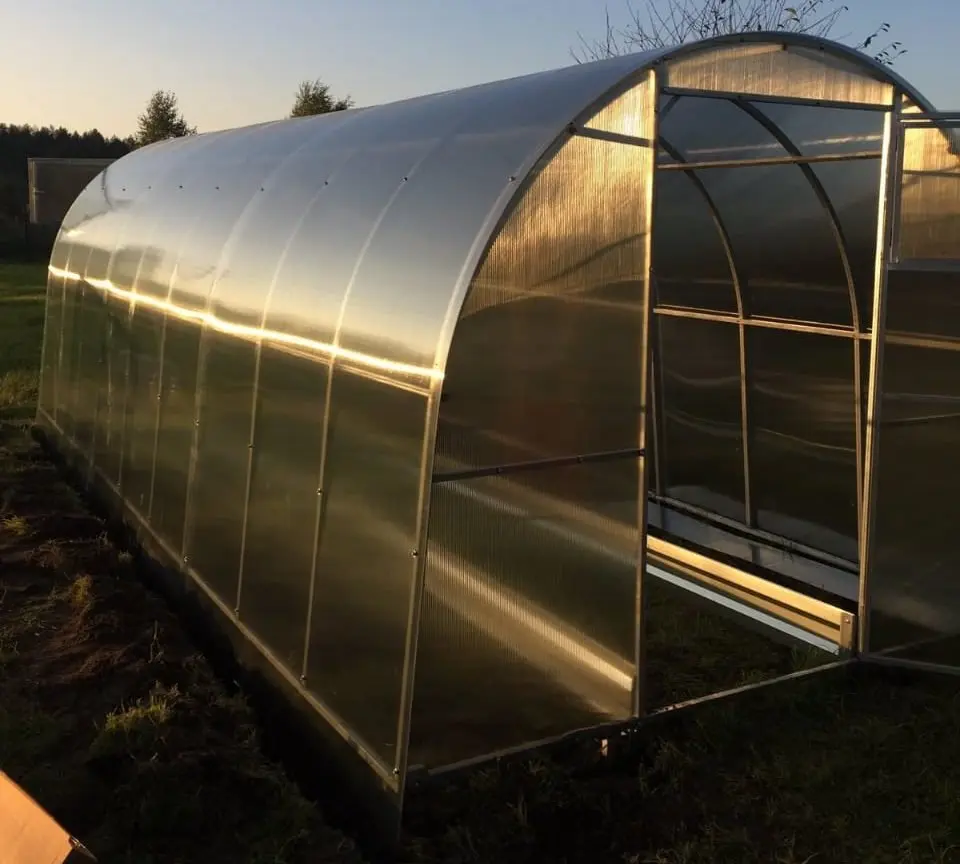
Over the years, NovaTeplitsa’s engineers and agronomists have encountered hundreds of practical mistakes. Many of these were made with the best of intentions but resulted in a complete loss of the crop. Below, we examine in detail five critical mistakes from the perspectives of physics, chemistry, electrical engineering, and plant biology.
Mistake #1: Placing the generator inside the greenhouse (toxic poisoning)
Real-life case (Kyiv Oblast, 2023): In an effort to protect an expensive 3.5 kW gasoline generator from rain, snow, and potential theft, the owner installed it in the greenhouse’s work area. The exhaust pipe was routed outside through a slot in the polycarbonate, and the joint was sealed with construction foam.
Physics and Chemistry of the Process: An internal combustion engine (ICE) consumes a vast amount of oxygen during operation and emits exhaust gases. Due to microscopic gaps in the exhaust pipe elbows and intense vibration, carbon monoxide (CO) and unburned hydrocarbons began to seep into the greenhouse. The combustion of gasoline also produces ethylene (C2H4)—the most potent plant hormone that accelerates aging.
Result: Tomato plants are incredibly sensitive to ethylene, even in trace amounts (starting at 0.05 ppm). After 18 hours of continuous generator operation, the plants began to exhibit epinasty (curling and wilting of leaves), and 12 hours later, they shed all their flowers, ovaries, and young leaves en masse. The seedlings suffered severe chemical burns. The greenhouse owner nearly lost consciousness from carbon monoxide poisoning upon entering the greenhouse.
Correct answer: The generator must be installed exclusively outdoors or in a special, freestanding, ventilated enclosure (housing) outside the greenhouse, at a distance of at least 4–5 meters from the ventilation air intakes.
Mistake #2: Ignoring the inrush currents of inductive loads
Real-life case (Chernihiv Oblast, 2022): To provide backup power for a 90-watt water heating circulation pump, the farm owner purchased a compact UPS with a rated power of 150 watts and a modified (approximated) sine wave.
Process Electrical Engineering: Any induction motor (the core component of any circulation pump) is an inductive load. At startup, the rotor is stationary, and the resistance of the windings is extremely low, causing an inrush current. The starting current of such a motor is 3–5 times higher than the rated current. A 90-watt pump requires a power surge of about 350–450 watts at startup.
In addition, modified sinusoidal alternating current (which consists of stepped rectangular pulses) contains parasitic high-frequency harmonics. These cause excessive heating of the motor’s stator, as well as humming and vibration, and reduce its efficiency by 30–40%.
Result: During the very first power outage, the UPS was unable to start the pump and immediately tripped due to overcurrent protection. The pump hummed but did not rotate. As a result, overnight the water in the solid-fuel boiler circuit boiled, causing the safety valve to blow, and the pipes at the far end of the greenhouse thawed and burst.
The Correct Solution: For electric motors, pumps, and compressors, you must select inverters/UPS units exclusively with a pure sine wave and a peak (starting) power reserve of at least 4–5 times the rated power of the connected equipment.
Mistake No. 3: A Completely Sealed Circuit (Dew Point and Mold Outbreak)
True story (Lviv Oblast, 2024): In an effort to retain as much residual heat as possible when the electric convector heaters were turned off, the owner sealed all the windows, door gaps, and ventilation louvers with duct tape, turning the greenhouse into an airtight bag.
The Physics and Biology of the Process: Plants continuously evaporate water through their leaves (a process called transpiration) to cool themselves and transport nutrients. Without forced or natural air exchange, the relative humidity in an enclosed space reached 100%. When the air temperature drops by just 3–4 degrees, the so-called «dew point» is reached—the air can no longer hold moisture in the form of vapor, and it condenses as a cold film of water on the leaves, stems, and fruits.
Result: Cold condensation in stagnant air creates the ideal environment for fungal spores to grow. By the third day of the blackout, the entire lettuce crop and the cucumber seedlings were infected with gray mold (Botrytis cinerea). The entire crop had to be disposed of.
Correct answer: Even during the coldest period, controlled ventilation is necessary to remove excess moisture. Using «breathable» spunbond (agricultural fiber) as a second inner layer solves this problem: it traps thermal radiation but allows water vapor to pass through, preventing condensation.
Mistake No. 4: Using cheap, thin polycarbonate without accounting for thermal expansion
Real-life case (Kharkiv Oblast, 2024): To save money during the construction of a greenhouse, 4 mm-thick, low-density (approximately 500–600 g/sq m) general-purpose cellular polycarbonate without UV protection was purchased. The sheets were fastened to a galvanized frame using standard self-tapping screws without thermal washers, as securely as possible.
Physics of the Process: Polycarbonate has a high coefficient of linear thermal expansion (approximately 0.065 mm per meter per degree Celsius). When the temperature fluctuates from -15 degrees at night to +15 degrees in the sun, a six-meter sheet expands by nearly 12 mm. Rigid fastening without expansion gaps or thermal spacers prevents the plastic from moving.
Result: As soon as the first severe frosts hit, the sheets contracted, and in the areas where they were securely fastened with self-tapping screws, the polycarbonate simply cracked, forming through-holes up to 1.5 cm wide. In the summer, however, because the sheets couldn’t expand, they buckled, completely compromising the airtightness of the joints. Heat loss from the greenhouse increased by 60%, rendering any backup heating system ineffective and insanely expensive.
Correct solution: For reliable winter greenhouses, use high-density multiwall polycarbonate with a thickness of at least 6–8 mm (at least 1,300–1,500 g/sq. m for 8 mm). The panels should be fastened using special thermal washers with a sealing ring, and the diameter of the holes drilled in the plastic for the self-tapping screws should be 2–3 mm wider than the diameter of the screw shank to allow for thermal expansion.
Mistake No. 5: Using automotive starter batteries in unheated areas of the greenhouse
Real-life case (Poltava Oblast, 2023): To power the heating system’s UPS, the customer installed a standard 190 Ah automotive starter battery directly in the unheated vestibule of the greenhouse, where the temperature dropped to zero degrees.
Physics and Electrochemistry of the Process: Starter batteries are designed to deliver a short, high-current pulse to start an internal combustion engine and are not intended for deep cyclic discharges. Furthermore, as the electrolyte temperature drops, the rate of chemical reactions decreases sharply. At 0 degrees, the actual capacity of a lead-acid battery drops by 30–40% from its rated capacity. If such a battery is discharged by more than 50% at low temperatures, the density of the electrolyte drops, and the water inside the battery simply freezes, physically destroying the lead plates.
Result: After three deep-discharge cycles during prolonged power outages, the battery completely lost its capacity (due to plate sulfation) and became unusable. The uninterruptible power supply shut down after just 1.5 hours of operation instead of the expected 8 hours.
Correct solution: Install the battery pack only in an insulated or heated dry box with a temperature of at least +15 degrees. Use specialized LiFePO4 traction batteries equipped with a built-in battery management system (BMS) that includes integrated cell heating during charging.
Summary Technical Analysis of Errors and Their Consequences
For clarity, we have organized all the risks into a single engineering and agronomic table.
| Incorrect action | Physical/biological mechanism | Direct consequences for the greenhouse | The Right Technical Solution |
|---|---|---|---|
| A generator in the vestibule or inside the dome | Emissions of carbon monoxide (CO) and phytotoxic ethylene (C2H4) during incomplete fuel combustion. | Leaves and fruit buds fall off within 12–24 hours; seedlings die; and there is a mortal danger to staff. | Extend the engine 4–5 meters outside and use a protective all-weather cowling. |
| Inexpensive UPS with a stepped sine wave | Generation of high-frequency harmonics; lack of starting current margin for induction motors. | The heating pump fails to start; the stator windings overheat and burn out; the boiler boils over. | Use a Pure Sine Wave inverter with a peak power reserve of 4 to 5 times the rated power. |
| Complete sealing without ventilation | Accumulation of moisture from transpiration; reaching the dew point on cold surfaces. | Condensation, rapid onset of gray rot, downy mildew, and late blight. | Use of breathable agricultural fabric indoors; automatic, energy-free thermal actuators for window vents. |
| Rigid Mounting of Thin Polycarbonate | Linear thermal expansion of a material due to daily temperature fluctuations. | Deformation of the panels, cracking of the plastic at the fastener locations, and the appearance of through-holes. | 6–8 mm polycarbonate; install using thermal washers with a 2–3 mm gap in the holes. |
| Storing Lead-Acid Batteries in Cold Weather | Slower electrolyte diffusion, capacity loss in cold weather, and water freezing during discharge. | The UPS runtime is halved, and the plates are irreversibly damaged after just a few cycles. | Place the battery in a heated vestibule (+15°C) or purchase LiFePO4 batteries with a heated BMS. |
Authoritative expert opinions
Mikhail Kovalchuk, Lead Agronomist at the Greenhouse Complex (Dnipro):
«Many summer cottage owners underestimate the danger of sudden temperature drops. For tomatoes, it’s not just the drop to +5 degrees that’s critical, but the rate of that drop. If the temperature drops gradually, the plant has time to adjust its metabolism and produce protective sugars. But in the event of an emergency heating shutdown, when the temperature drops from +22 to +5 degrees in two hours, the plant experiences extreme thermal shock. The vascular system becomes blocked, the leaves lose turgor, and they wilt. My advice is to always keep a roll of 60-density spunbond fabric in the greenhouse. In an emergency, drape it directly over the bushes—this will save them from dying and buy you 8–12 hours to restore the heating.».
Viktor Yakovenko, chief engineer at NovaTeplitsa (with experience since 1995):
«As manufacturers of metal structures, we always design our greenhouses to withstand extreme loads. But thermal engineering is a science of its own. If you plan to grow crops year-round, never skimp on the thickness of the polycarbonate. The spacing between arches in our reinforced models is 65 cm or 50 cm, which allows for the easy installation of heavy 8–10 mm thick multi-wall polycarbonate. This type of greenhouse, the 40%, retains heat better than standard garden greenhouse models. Combined with a simple, long-burning solid-fuel boiler (such as a Buleryan) and a battery for the pump, you’ll have a completely self-sufficient system that isn’t affected by any power outage schedules.».
Key Takeaways for Greenhouse Owners
To sum up, here are the key rules for preparing your greenhouse for the challenges of winter:
- Complete sealing and elimination of heat loss from the foundation. The thermal conductivity of frozen soil in winter is approximately 1.5–2.0 watts per meter per degree Celsius, which is tens of times higher than that of modern thermal insulation materials. Without foundation insulation, heat literally escapes from the greenhouse into the surrounding ground. Installing extruded polystyrene foam (EPS) with a thickness of 50 mm to 100 mm (depending on the climatic zone in Ukraine) to the depth of soil freezing reduces total heat loss through the underground portion of the structure by 20–25%. To seal the joints between the polycarbonate and the frame, use only neutral silicone or polyurethane sealant, as acidic formulations based on acetic acid cause accelerated corrosion of the galvanized arch profiles.
- Creation of a dual-layer «thermos effect.» An air gap 50 to 80 mm thick between the outer polycarbonate (for example, 6–8 mm thick) and the inner polyethylene film (100–120 microns thick) has a thermal conductivity of only 0.024 watts per meter per degree Celsius. This increases the overall thermal insulation of the greenhouse dome by 35–45%, bringing the structure’s heat transfer characteristics very close to those of a single-brick wall. In addition, the inner film layer effectively collects condensation, which flows down the dome into the drainage system without forming cold droplets that fall directly onto the plant foliage, thereby drastically reducing the risk of fungal diseases.
- Heat accumulation in the root zone and vegetation. The optimal temperature for the full functioning of the root system of most nightshade and melon crops ranges from +18 to +22 degrees Celsius. Raising the beds 35–40 cm above ground level and creating a bio-substrate of horse or cow manure mixed with straw in a 3:1 ratio initiates the process of thermophilic aerobic fermentation. This organic heating system releases up to 150–200 watts of thermal energy per square meter of the raised bed area over a period of 60–80 days. This fully protects the plants’ rhizosphere from overcooling, even when the air temperature inside the dome drops to critical levels.
- Hybrid Power Reserve and Load Balancing. A greenhouse’s power security system must be strictly divided into two independent circuits: a low-current emergency circuit and a high-current backup circuit. The low-current circuit (water heating circulation pumps, automation controllers, irrigation valves, and standby lighting—totaling up to 150–250 watts) must be powered 24/7 from an uninterruptible power supply (UPS) with a pure sine wave output and a lithium iron phosphate (LiFePO4) battery with a capacity of 100–200 ampere-hours. The power circuit (electric air heating, grow lights, forced ventilation systems—3 to 8 kW) is powered by a gasoline or diesel generator with manual or automatic transfer switching (ATS). This configuration allows the generator to run for only 4–6 hours per day instead of 24 hours a day, saving up to 15–20 liters of fuel daily.
- Preventing air stagnation and controlling the dew point. When the temperature drops in a closed greenhouse, the relative humidity instantly rises to 95–100%, causing dew to form directly on the leaves and stems. To prevent this, it is necessary to use non-electric micro-ventilation systems. Adjustable hydraulic cylinder actuators filled with mineral oil automatically open the vents slightly when the internal temperature rises to +22 degrees Celsius (to release excess moisture during daylight hours) and seal them tightly when the air cools to +16 degrees Celsius. This allows humidity to be maintained within the optimal range of 65% to 75% without the use of exhaust fans.
Protect your crop with NovaTeplitsa!
Don’t put off upgrading your greenhouse until the last minute, when the first frosts hit and emergency power outages begin. The NovaTeplitsa team of professionals is ready to help you create a fully energy-independent and highly efficient operation today!
We offer:
- Reinforced winter greenhouses made of galvanized profile tubing with arch spacings of 50 and 65 cm, designed for installation of thick polycarbonate (8, 10, 16 mm);
- High-quality, professional-grade multiwall polycarbonate from the world's leading brands, with a warranty of up to 10–15 years;
- Non-battery-powered automation kits (thermostatic actuators for transom windows, drip irrigation systems powered by water pressure without pumps);
- Customized heat loss calculations and the design of heating and backup power systems tailored to your specific needs.
Browse our selection and choose a reliable model from the NovaTeplitsa greenhouse catalog. Get a free expert consultation from our engineers by calling the numbers listed in the Contacts section. Since 1995, we’ve been helping Ukrainian farmers achieve record harvests under any conditions!