

Every year in late February and early March, Ukrainian gardeners face the same dilemma. The snow is still lying, but the sun is already warming up, and hands are reaching for seeds. But have you ever thought about the fact that your greenhouse can be not a friend, but a hidden enemy for future seedlings?
Fungal spores overwintering in the cracks of the frame, depleted soil, microcracks in polycarbonateThese are all time bombs, reducing light transmission by 15-20%. Agronomists' statistics are inexorable: up to 40% of crop losses in the closed ground are due to improper spring preparation of the structure and soil.
The article "How to properly prepare the greenhouse for the spring start?" - is not just a set of tips. It is a technical regulation and an expert guide that will help you turn your greenhouse into an ideal biolaboratory for your plants. We will understand everything from chemistry to copromatism, based on the best solutions presented on the Ukrainian market by NovaTeplica.
Step 1: Technical defect analysis of the structure
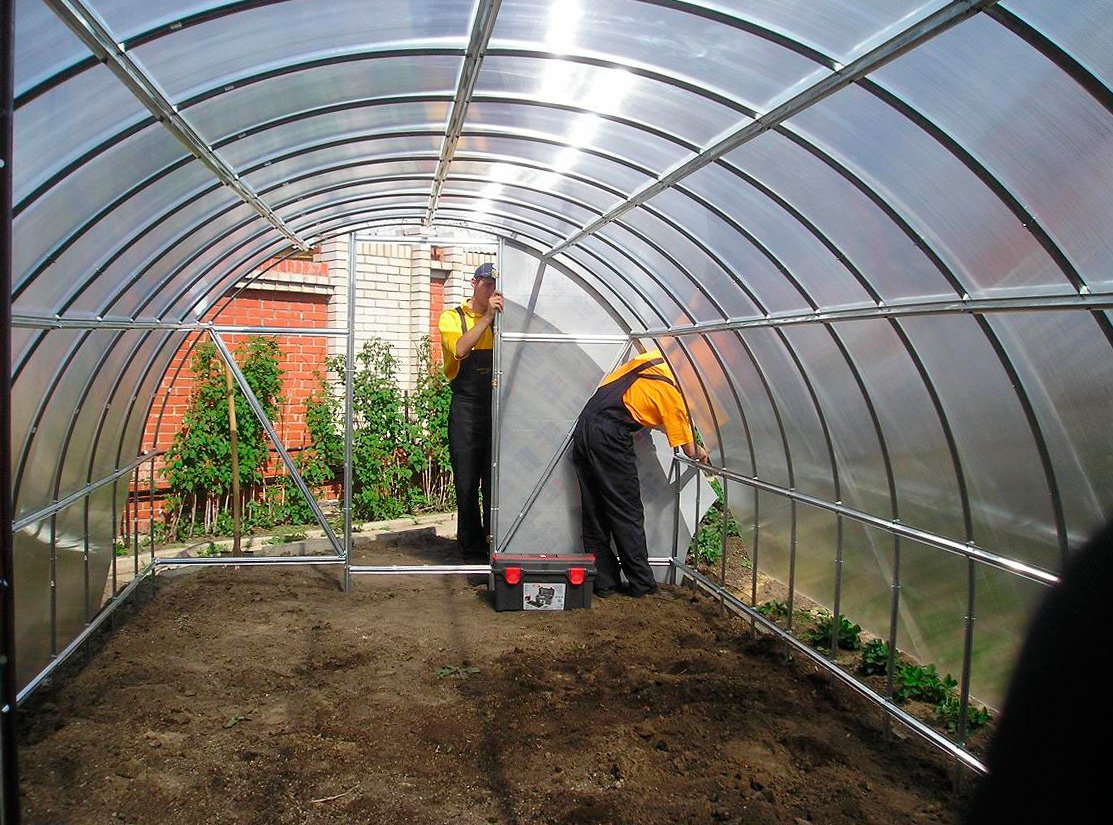
The first step is not just a visual inspection, but an engineering diagnosis of bearing capacity. Winters in Ukraine are becoming more and more unpredictable: alternating thaws and frosts create an ice crust, the weight of which can reach critical values for the metal.
1. fatigue analysis of metal and frame geometry
The most common cause of greenhouse collapse in February-March is not the instantaneous weight of snow, but the accumulated deformation ("fatigue") of the structure.
Validation checkpoints:
- Welds: Look for micro-cracks at the joints of the arches and ties. If the joint has a reddish appearance, corrosion has already penetrated the metal structure.
- Arch geometry: Use a long rule or a level. A deviation of the arc from the plane, even by 1-2 cm, indicates a loss of rigidity (torsion). This often happens with open profiles (V-shaped or M-shaped).
"The greenhouse does not fall from the weight of snow, but from loss of geometry. Once the arc loses its correct arch shape, the load is no longer distributed evenly and concentrates at one point, leading to a fracture." - NovaTeplica structural engineer.
Comparative table of frame reliability
To understand whether your greenhouse will survive the next season, compare its parameters with reference standards:
| Parameter | V-profile (Economy) | Pipe 20x20 mm (Standard) | Pipe 40x20 mm (Reinforced NovaTeplica) |
|---|---|---|---|
| Section geometry | Open (low torsional stiffness) | Closed square (4 stiffeners) | Closed rectangle (increased inertia) |
| Snow load | up to 40 kg/m² (5-7 cm of wet snow) | up to 160 kg/m² (30-40 cm of snow) | more than 250 kg/m² (withstanding snow caps) |
| Wall thickness | 0.5 - 0.7 mm | 0.8 - 1.0 mm | 1.2 - 1.5 mm |
| Deformation risk | Critical | Low | Absent |
Solution from an expert: If your old V-profile greenhouse is "floating" or has signs of deep corrosion, it is not economically feasible to repair it. Strengthening such a structure will cost 60-70% of the cost of a new one. It is more rational to replace the frame with a model made of solid galvanized pipe with an arc pitch of 1 meter or 0.65 meters (for windy regions), as in the series presented on our website.
2. laboratory diagnostics of polycarbonate
Cellular polycarbonate is a consumable material, but its real service life depends on the presence of a coextruded layer of UV protection. Cheap material without protection is destroyed in 2 seasons.
How to determine critical wear and tear:
- Brittleness Test (Mechanical): Press the center of the cell (honeycomb) in the unloaded area (near the door) with your finger. If a dry cracking sound is heard or the partition breaks, the polymer structure has degraded. Such material will not withstand hail.
- Spectral Analysis (Visual): Look at the leaf in the light.
- Transparent: Light transmission ~82-86%. Norm.
- Milky and cloudy: Beginning of degradation. Light transmission drops to 60-70%. Plants will lack light for photosynthesis (20% yield shortfall).
- Yellow: Complete burnout of the UV stabilizer. Immediate replacement is required.
The problem of "Blossom" ends: If the ends have not been covered with perforated tape, condensation accumulates inside and blue-green algae develops.
- Consequences: Water in the honeycomb is an excellent conductor of cold. The thermal insulation properties of the greenhouse drop by half. It ceases to "hold" night frosts.
- Recommendation: When replacing the cover, use only polycarbonate with a warranty of 10 years (Premium segment in NovaTeplitsa) and be sure to install end profiles with drainage.
Step 2: Sanitization - sterility of the operating room
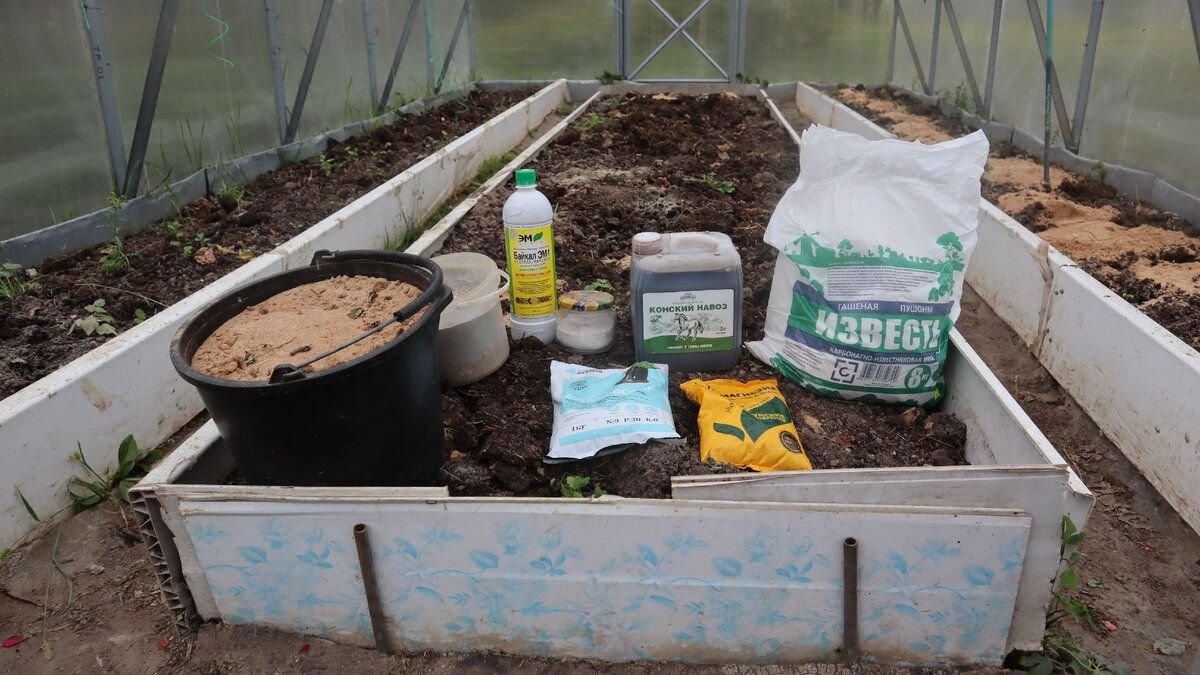
Many gardeners, in an effort to eliminate pests, destroy the greenhouse itself. The most common mistake is the use of sulfur darts in metal structures.
Chemical Warning: The burning of the firebrand releases sulfur dioxide. Combining with condensate and moisture on surfaces, it forms sulfuric acid, which aggressively oxidizes zinc.
Result: Even a quality galvanized greenhouse after 2-3 treatments with sulfur dasher is covered with "white rust", and then through corrosion. The manufacturer's warranty does not cover such cases.
1. Washing the pavement: Fighting for lumens
Dirty polycarbonate steals up to 30% of light from plants, the equivalent of losing 3 weeks of growing time.
- Toolkit: Use telescoping brushes with soft lint (like an auto wash) or sprayers.
- Banned chemistry: Never use products containing ammonia, alkalis (stove cleaners) or aldehydes. They destroy the protective UV layer of polycarbonate, making it cloudy.
- The right decision: A mild solution of laundry soap or neutral pH detergents for touchless washing.
- Water Pressure: If you use a mini washer (like Karcher), keep the pressure no higher than 100 bar and a distance of 40-50 cm, so as not to dislodge the sealing seals and damage the honeycomb.
2. Comparative table of disinfection methods
Choose a method based on the condition of the greenhouse and air temperature:
| Method | Active ingredient | Efficacy against Phytophthora/mite | Safety for galvanized frame | Temperature requirements |
|---|---|---|---|---|
| Sulfur dart | Sulphur dioxide | Extremely high | Critically dangerous (Causes corrosion) | Any |
| Chemical ("Hard") | Copper sulfate (3-5%) | Tall | Conditionally safe (requires washing off metal) | > +5°C |
| Oxidative | Peracetic acid / Peroxide | Medium/High | Safe | > +5°C |
| Biological (Eco) | Trichoderma / Haystick | High (prolonged) | Absolutely safe | Strictly > +10-12°C |
3. technical regulations for processing
Protocol A: Chemical cleanup (in case of heavy contamination in the previous year)
If Phytophthora or cladosporiasis raged last season, biopreparations may not be able to cope with overwintering spores.
- Recipe: 100 g of copper sulfate per 10 liters of warm water. For better adhesion add 2 tbsp. of liquid soap.
- Technique: Moisten abundantly not only the polycarbonate, but also the frame, gaps, joints with the foundation.
- Important: Copper accumulates in the soil and is a heavy metal. Try not to let the solution run into the beds in large quantities.
Protocol B: Biological Protection (Prevention and Organic Farming)
Ideal for new greenhouses (such as those purchased from NovaTeplica) or healthy plots.
- Preparations: Phytosporin-M, Trichocin, Gliocladin.
- Principle of Action: You repopulate the greenhouse with beneficial microflora that displace pathogens.
- Prerequisite: Bacteria "sleep" in the cold. Do not treat until the air in the greenhouse has warmed up to +12°C or higher, otherwise you will just pour water on the walls.
Expert advice: "After washing the greenhouse, be sure to open the shutters and doors for 2-3 hours for through-airing. Excessive humidity in a closed circuit in the spring sun instantly creates a bath effect, provoking the awakening of mold before the plants are planted."
Step 3: Soil Revitalization
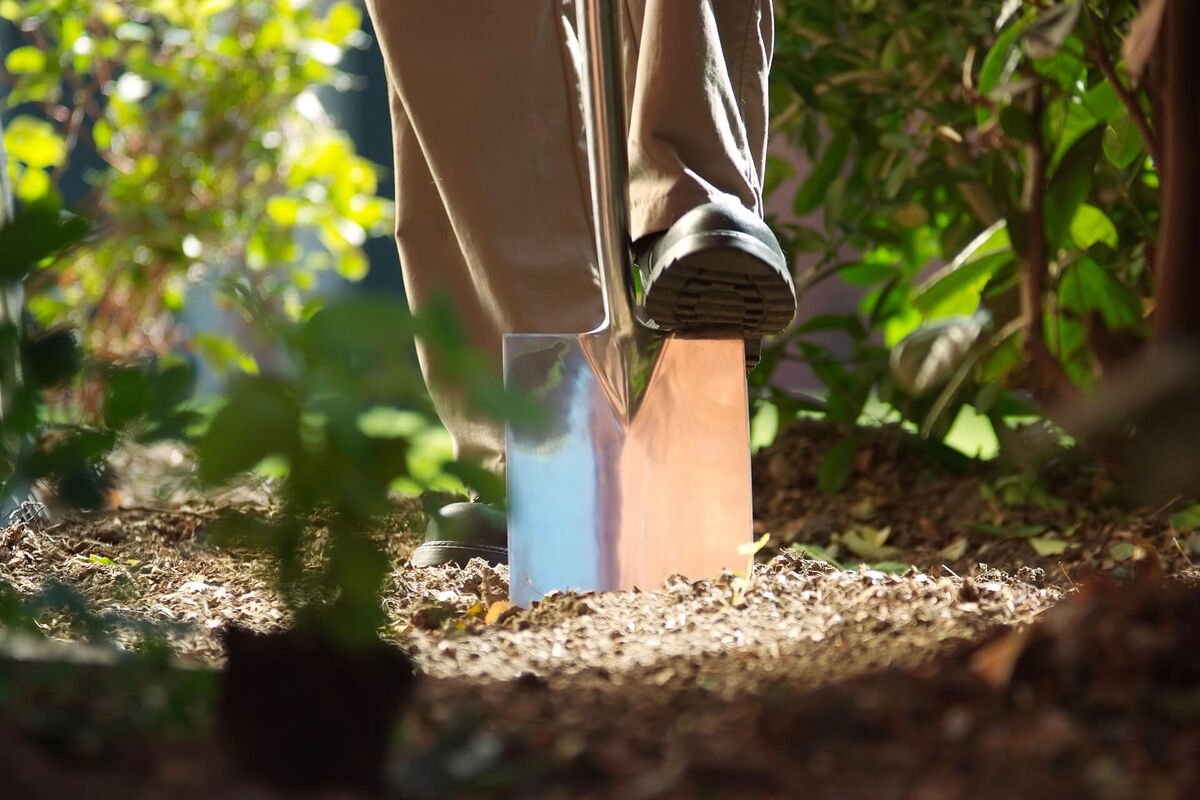
The soil in a greenhouse ages 3 times faster than in an open vegetable garden. Due to the lack of crop rotation and intensive "removal" of nutrients there is an effect of soil fatigue. If you don't intervene, yields drop by 30-40% even with perfect care.
1. Mechanical Renovation: The Minus 7 Centimeters Rule
A critical mass of saline fertilizer residues and wintering larvae of pests (spider mites, nematodes) accumulates in the upper soil layer (0-7 cm).
Replacement Technical Regulations:
- Remove 7-10 cm of old soil and take it to the open vegetable garden (there the microflora is different, and greenhouse pathogens will die).
- Replace the removed layer with a new fertile mixture. Do not simply fill in the soil from the vegetable garden - you will introduce new pests.
The formula for the ideal substrate for greenhouses:
- Peat (neutral): 50% - for looseness and moisture retention.
- Humus (compost): 30% - Power.
- River sand: 20% - drainage to let the roots breathe.
2. ground thermodynamics: The secret to an early start
The most common mistake is to plant seedlings when the air is warm (+20°C) and the ground is cold (+8°C).
Plant Physiology: The root system of tomatoes and cucumbers stops absorbing water and phosphorus when soil temperatures are lower than +14°C. The plant goes into a stupor, turns blue and can die from "physiological drought" (there is water, but the roots don't drink).
Comparative table of soil warming methods
| Method | Principle of action | Warm-up speed (+10°C) | Costs |
|---|---|---|---|
| Natural (Passive) | Solar radiation through polycarbonate | 14-20 days | 0 UAH |
| "Film Effect." | Covering the ground with transparent film/polycarbonate | 7-10 days | Low (cost of film) |
| Biological ("Warm beds") | Exothermic decay reaction of organics | 5-7 days + root heating 2 mo. | Labor costs (trenching) |
| Technical (Heating cable) | Electric heating in the ground layer | 24-48 hours | High (installation + electricity) |
How to make a Warm Bed in a weekend:
- Dig a trench 30-40 cm deep.
- Lay coarse organic matter (branches, corn stalks) on the bottom - this is drainage.
- Top with a layer of fresh manure or undercooked compost (biofuel).
- Spill with boiling water or EM preparations ("Baikal", "Siyaniye") to start the burning reaction.
- Backfill with a fertile layer of soil (20 cm). In such a "layer cake" you can plant seedlings 2-3 weeks earlier than usual.
3. chemical balance: pH-factor
Many greenhouse crops (especially cucumbers) cannot tolerate acidic soils. Acidification occurs naturally due to the application of mineral fertilizers.
- Diagnostics: Buy some simple litmus paper. The normal pH is 6.0-7.0 (neutral).
- Treatment:
- If pH < 6.0 (acidic): Apply dolomite flour (200-300 g/m²) or wood ash. Ash also saturates the soil with potassium.
- If pH > 7.5 (alkaline): Use top peat or coniferous fall.
If you're using Farm greenhouses from NovaTeplicaIn such beds, the soil warms up 3-4 days faster than at ground level and its composition is easier to control. In such beds, the soil warms up 3-4 days faster than at ground level and its composition is easier to control.
Step 4: Upgrade or buy a new greenhouse?
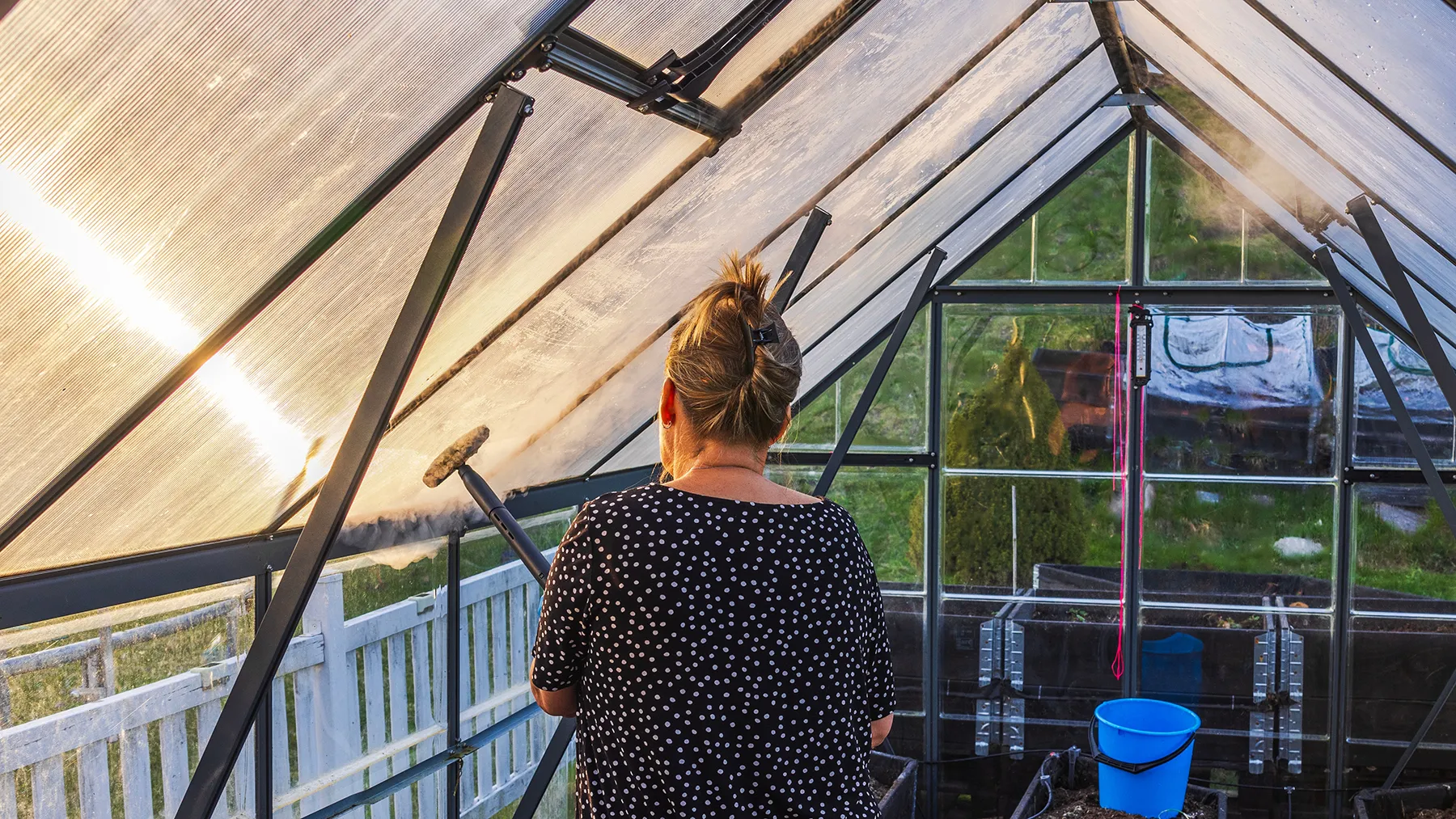
Spring is the best time to assess whether your greenhouse meets your ambitions. If the old structure requires constant repair, the film is torn and the polycarbonate is cloudy, it is more profitable to invest in a new structure that will last 10-15 years.
Overview of solutions from the NovaTeplica catalog
When choosing a new greenhouse, it is important to consider the climatic zone of Ukraine and the culture of cultivation.
1. For dacha owners and small plots: Arched models
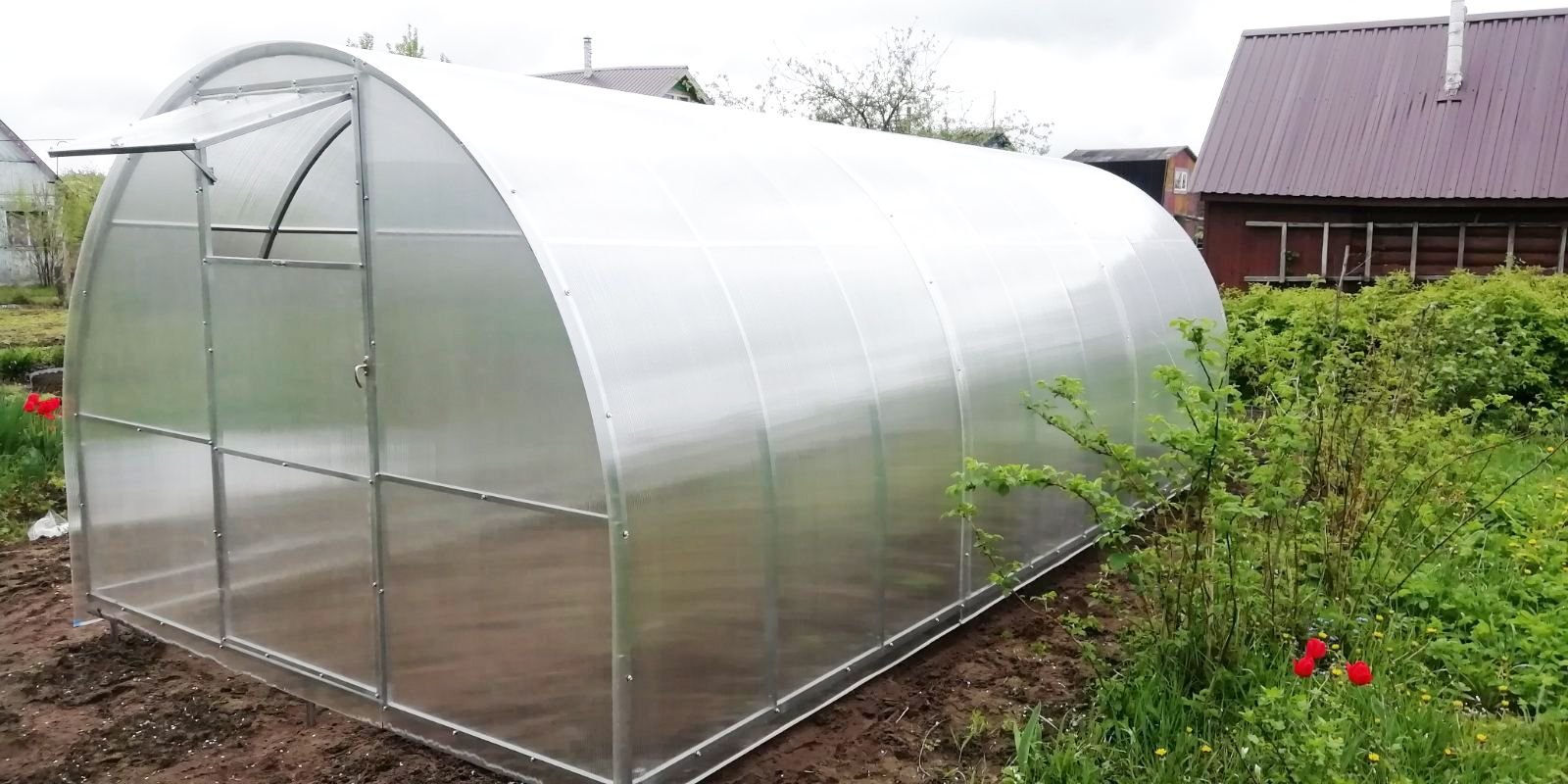
A classic of the genre. Thanks to its streamlined shape, arched greenhouses the wind goes around and the snow comes off easily.
- Recommendation: Pay attention to models with a width of 3 or 4 meters. Frame made of solid galvanized pipe (hot-dip galvanized) does not rot.
- Polycarbonate: Choose a density of at least 0.6 kg/m² and a thickness of 4 mm or 6 mm (Premium). At NovaTeplitsa only certified polycarbonate with guaranteed UV protection is used.
2. For maximum yield: Mitlider greenhouses
If your problem is overheating plants in the summer, you need a Mitlider circuit model.
- Feature: The split-level roof with transom windows along its entire length. This ensures perfect natural ventilation. Warm air escapes from above, cold air does not injure plants from below. In the NovaTeplitsa catalog such models are presented in various sizes.
3. For tall crops: Gable greenhouses ("Domikom")
Ideal for indeterminate (high-growing) tomatoes and cucumbers. Vertical walls allow you to utilize the usable space on 100%, unlike arched walls where the height is reduced at the walls.
Technical standards and markings
When buying materials or a finished greenhouse in Ukraine, demand compliance with standards:
- Galvanizing Class: A quality frame should have a coating with a density of 140-275 g/m². In cheap Chinese analogs it is often 60-80 g/m², which leads to rusting after a year. The profile pipe used in NovaTeplica greenhouses meets high standards of corrosion resistance.
- UV protection of polycarbonate: The layer of protection must be applied by co-extrusion (fused) and not just "in the mass". The marking "UV-protection" is mandatory.
- Metal Thickness: Supporting arches should be made of metal with a thickness of at least 1 mm (optimally 1.2-1.5 mm for larger structures).
How to properly prepare the greenhouse for the spring start? Conclusion
Proper preparation of the greenhouse for the spring start is 90% the success of your harvest. Don't rely on "just chance". Carry out defect inspection, wash the walls with the right products and warm the soil.
But if you see that reanimating an old structure is more expensive than buying a new one, or you want to expand your agrarian horizons, trust the professionals.
Why choose NovaTeplica?
- Honest metal thickness: You get exactly the profile that is claimed.
- Wide range: From compact dacha variants under film to industrial complexes under polycarbonate.
- Adaptation to Ukrainian climate: The structures are designed for our snow and wind loads.
Do not wait for seedlings to overgrow on the windowsill. Go to the NovaTeplica catalog right now, choose a reliable home for your plants and meet spring in full force!
Your crop deserves the best protection. Choose quality.